How to create a corn maze
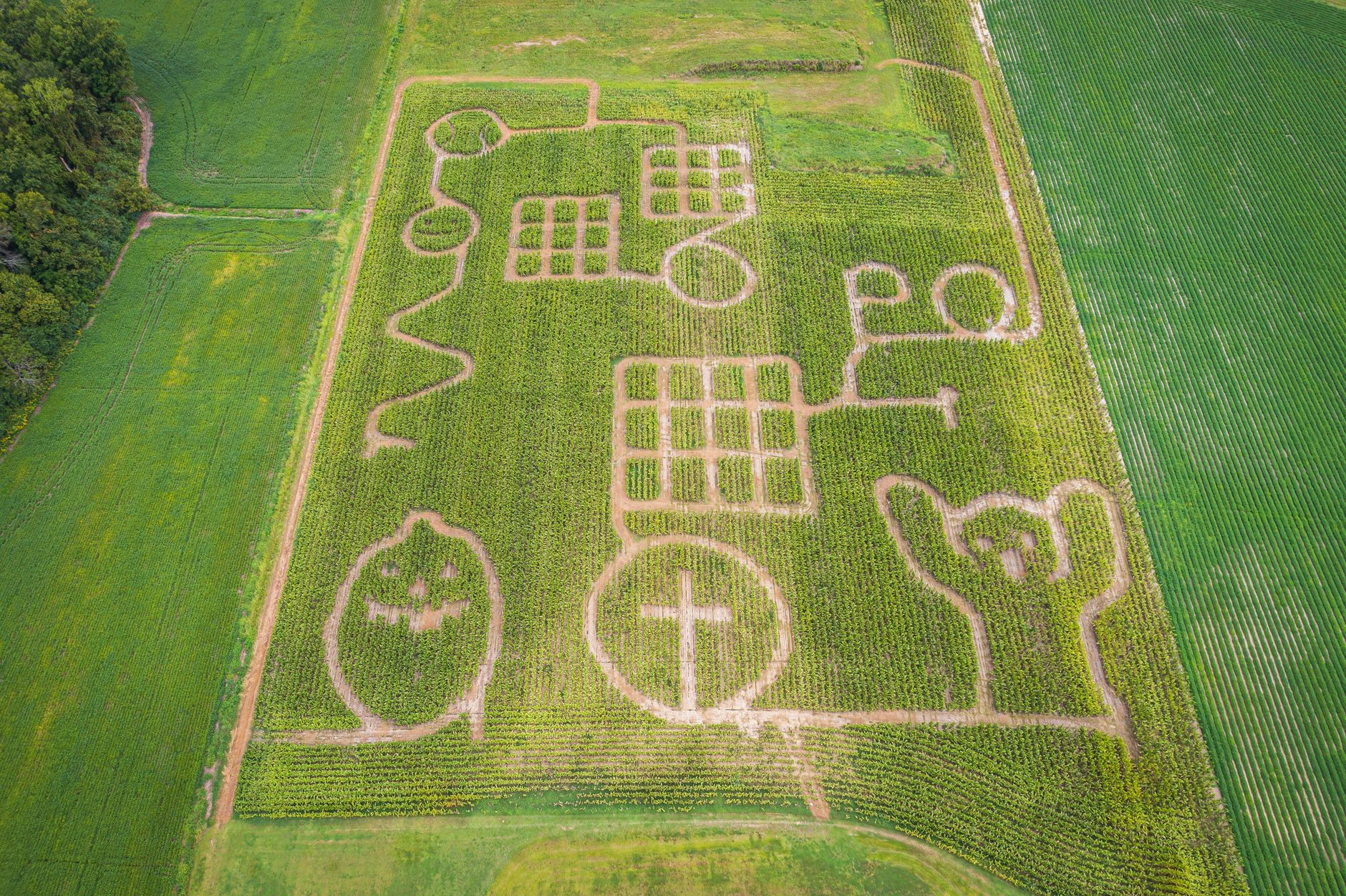
Learn how to plan, plant, and cut a corn maze on your farm or homestead. Includes design tips, costs, and maintenance for 2026.
Creating a corn maze is a rewarding fall project that can draw visitors to your farm or simply delight your family. The process is straightforward: design your pattern, prepare the soil, plant the corn, then cut the paths once the corn is knee-high. Expect to spend $500 to $2,000 per acre on seed, fertilizer, and cutting tools, depending on your design complexity and equipment. Here is exactly how to do it, from planning to opening day.
Design your maze
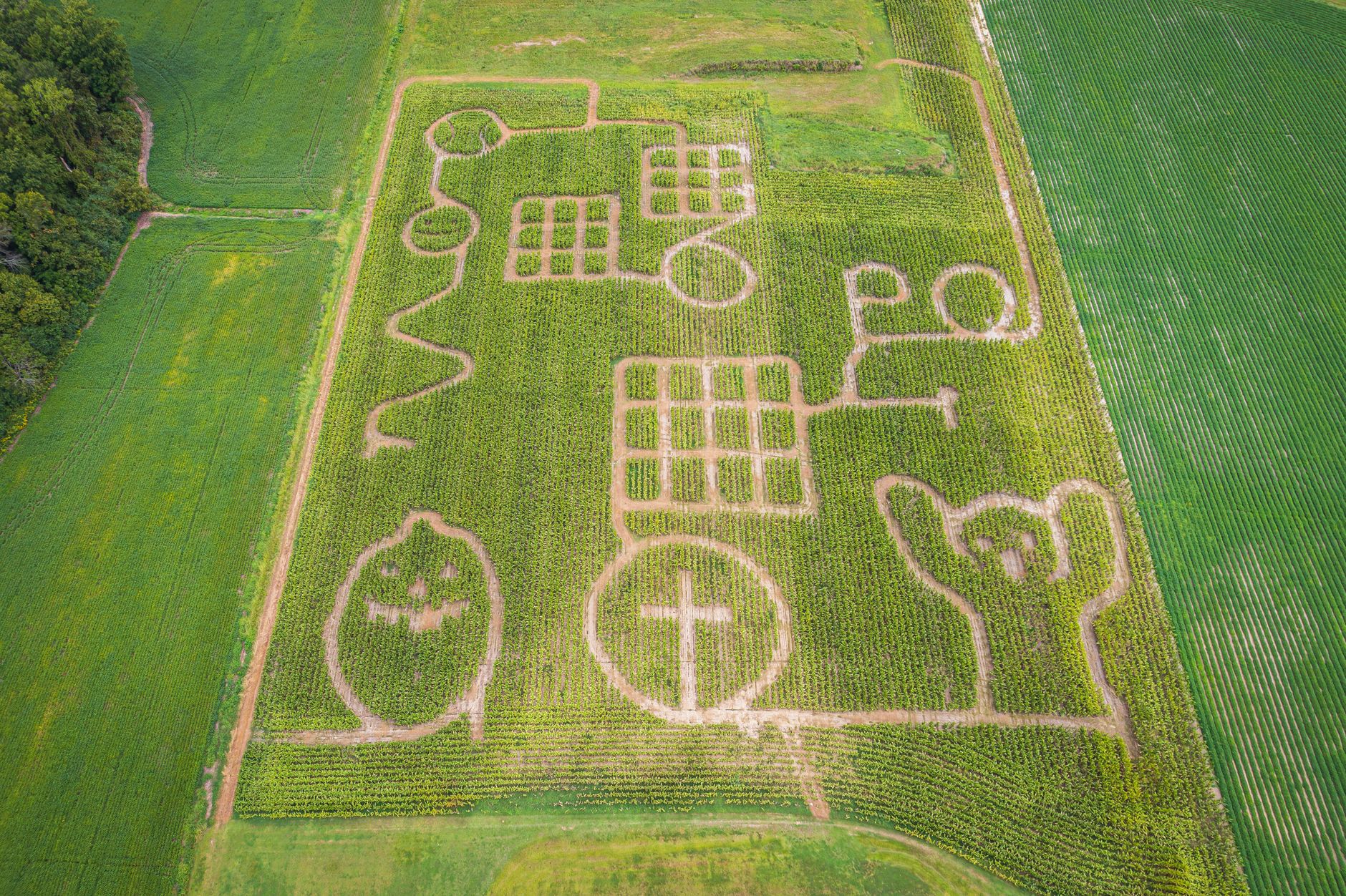
Start with a simple design your first year. A basic geometric pattern (like a star or a spiral) is easier to cut and maintain than a complex logo. Use graph paper or a digital tool like Adobe Illustrator to map out your paths. Keep path widths at least 3 feet (36 inches) so visitors can walk comfortably without brushing the corn. Mark entrance and exit clearly, and include a few dead ends for fun, but avoid making them too long or frustrating.
If you want a themed maze, consider a sunflower or pumpkin shape, but remember that cutting intricate curves tak
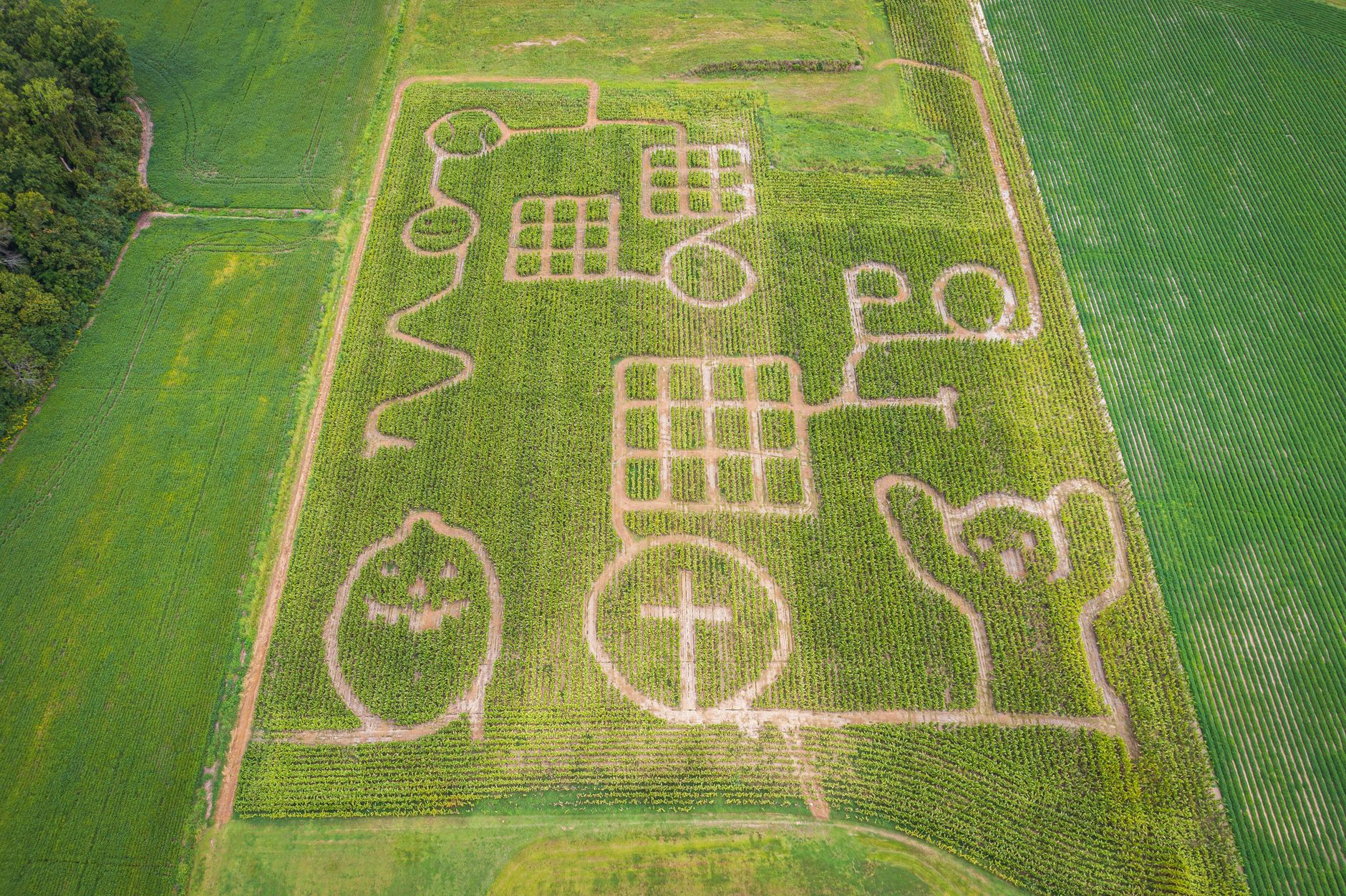 es more time and precision. For a first maze, stick to straight lines and right angles.
Choose the right corn variety
Select a field corn variety that grows tall and sturdy. Dent corn is the standard choice because it reaches 8 to 10 feet and holds up well. Good varieties include ‘Reid’s Yellow Dent’, ‘Pioneer 35F44’, or ‘Blue River 47A53’. Avoid sweet corn, as it is shorter and more prone to lodging (falling over).
Order seed from a local farm supply store or online seed company. You will need about 8 to 10 pounds of seed per acre. In 2026, field corn seed costs $150 to $250 per 50-pound bag, so an acre will run you $24 to $50 for seed alone.
Prepare the soil and plant
Test your soil pH and fertility in early spring. Corn prefers a pH of 6.0 to 6.8. Apply fertilizer based on soil test results; typically, you will need nitrogen, phosphorus, and potassium. A balanced 10-10-10 fertilizer at 200 to 300 pounds per acre is a good starting point, costing $40 to $60 per acre.
Plant corn after the last frost date for your zone. For most of the Midwest (zones 5-6), that is mid-May. In warmer zones (7-8), early April works. Use a corn planter or a walk-behind seeder to plant seeds 1.5 to 2 inches deep, spaced 6 to 8 inches apart in rows 30 to 36 inches apart. This gives you about 25,000 to 30,000 plants per acre.
Cut the maze paths
Once the corn is 12 to 18 inches tall (usually 4 to 6 weeks after planting), it is time to cut the paths. Use a string trimmer (weed eater) with a heavy-duty blade, or a walk-behind mower if your paths are wide enough. For a large maze, a tractor-mounted rotary cutter can speed things up, but it is harder to make precise turns.
Walk your design with a GPS or a printed map, and cut the paths according to your layout. Start with the main corridors, then add side paths and dead ends. Cut the paths about 3 feet wide to allow easy walking. Be careful not to cut too early: if the corn is too short, it may not recover; if too tall, it is harder to see your path.
Maintain the maze through the season
Water the corn if rainfall is scarce, especially during the first month. Corn needs about 1 inch of water per week. If you are in a dry area, consider drip irrigation or overhead sprinklers, but that adds cost. Fertilize with a side-dressing of nitrogen (like urea) when the corn is about knee-high, following label rates.
Weed control is critical. Use a pre-emergent herbicide at planting, or cultivate between rows with a hoe or tractor. Weeds compete with corn for nutrients and water, and they can make paths hard to walk.
Open and manage the maze
Plan to open your maze in late September or early October, when the corn is fully mature and the stalks are brown and dry. This is when the maze is most durable and safe for visitors. Charge admission: typical prices in 2026 are $8 to $15 per adult, $5 to $10 for children under 12, with group discounts. A well-marketed maze on a farm with other attractions (pumpkin patch, hayrides) can attract 500 to 2,000 visitors per season, generating $5,000 to $20,000 in revenue.
Promote your maze through social media, local newspapers, and a simple website. Partner with schools for field trips on weekday mornings. Have staff or volunteers stationed at the entrance to give maps and safety instructions.
FAQ
How long does it take for corn to grow tall enough for a maze? Corn typically reaches 12 to 18 inches in 4 to 6 weeks after planting. If you plant in mid-May, you can cut paths in late June or early July. The maze is ready for visitors in September.
Can I make a maze without cutting? Yes, you can plant the corn in a pattern by skipping rows or using a precision planter, but this is harder to control. Cutting is the most flexible method and allows you to adjust the design as the corn grows.
What is the best way to cut paths in tall corn? For corn over 3 feet tall, use a string trimmer with a brush blade, or a walk-behind mower. For a large maze, a tractor with a rotary cutter works, but you need to be careful not to damage the corn you want to keep.
How much does it cost to create a corn maze? For a one-acre maze, expect to spend $500 to $1,000 on seed, fertilizer, and cutting tools. If you need to rent equipment or hire help, costs can rise to $2,000 or more. Admission fees can cover these costs in a single season if you get good attendance.
The bottom line
Creating a corn maze is a manageable project for any gardener or small farmer with a bit of land. Start small, choose a simple design, and use reliable field corn. With careful planting and timely cutting, you can open a maze that delights visitors and adds a profitable agritourism element to your farm. The key is to plan ahead, invest in good seed and soil prep, and cut paths at the right time. In 2026, the costs are modest compared to the potential returns, making it a worthwhile venture for many homesteads.