How to build corn maze
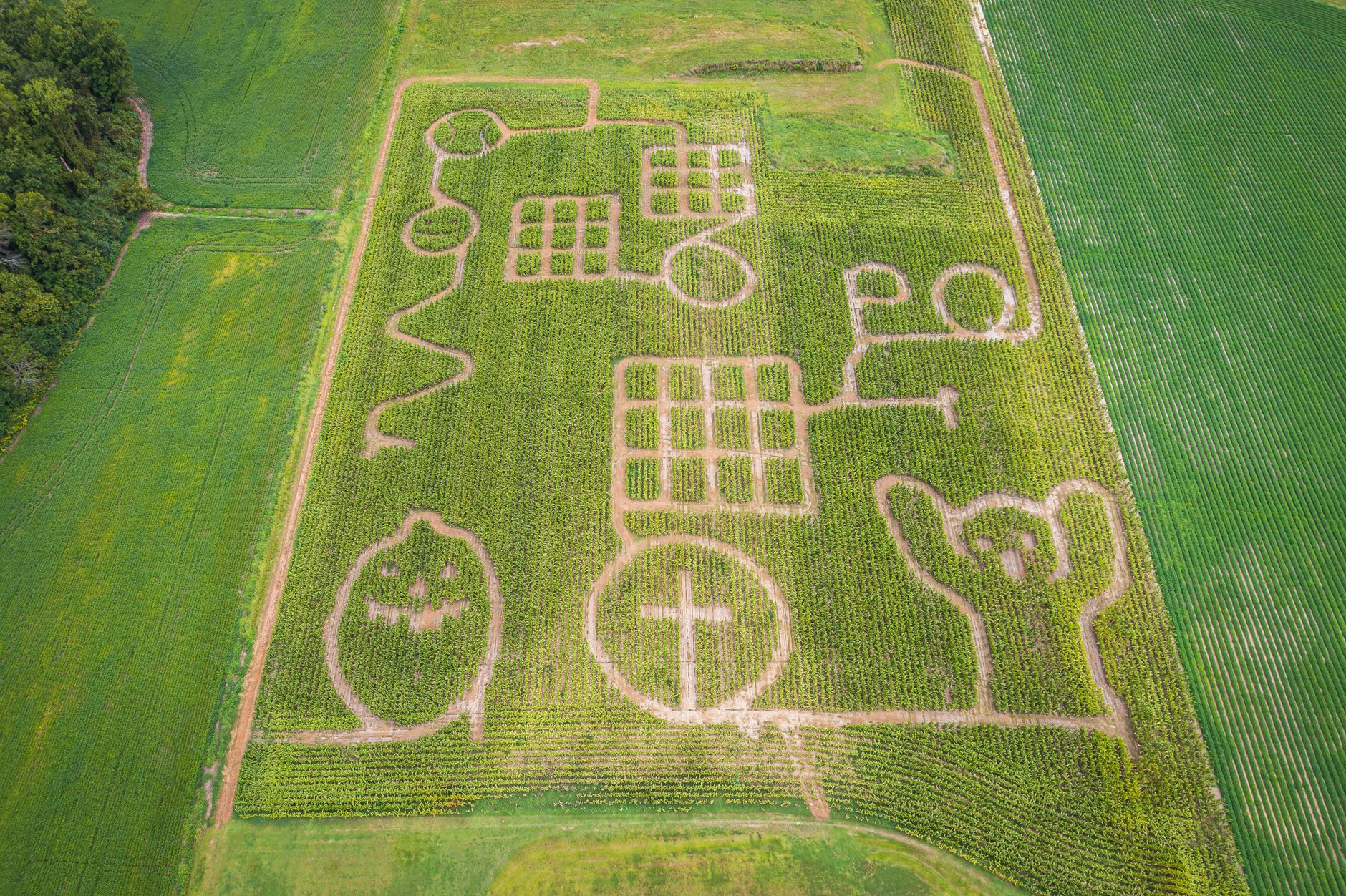
Learn how to plan, plant, and cut a corn maze for agritourism. Step-by-step guide with costs, varieties, and design tips for 2026.
Building a corn maze is a rewarding project that can turn a simple field into a seasonal attraction. The process involves planning the design, preparing the soil, planting the right corn variety, and cutting the paths at the right time. Here is the direct path: choose a simple design, plant field corn in late spring, wait until the corn is about 6 inches tall, then cut the paths with a string trimmer or mower. Expect to spend $200 to $500 per acre on seed and fertilizer, and plan for 60 to 90 days from planting to opening day.
Planning your maze design
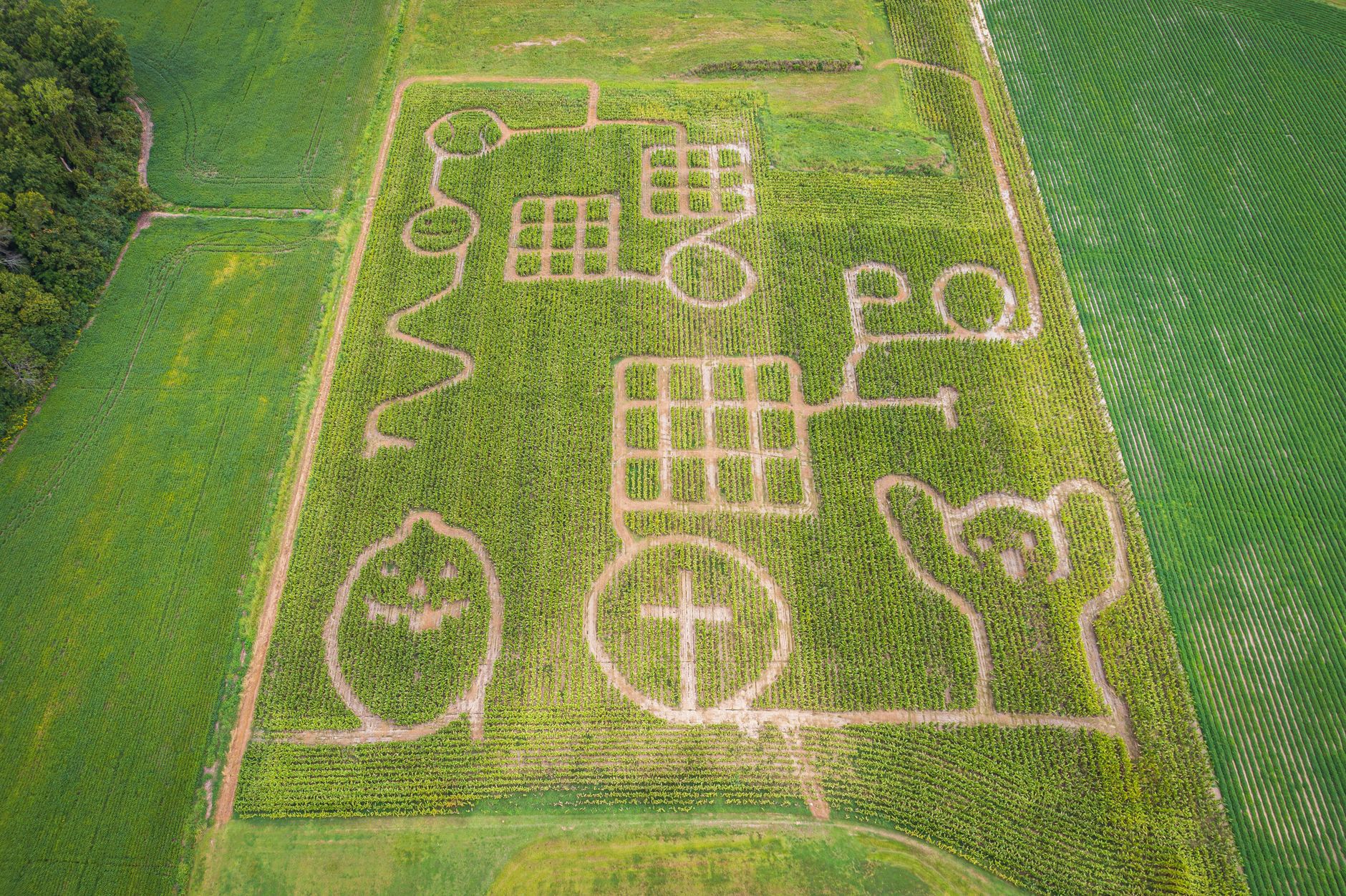
Start with a design that matches your skill level. For a first maze, keep it simple: a basic geometric pattern or a single recognizable shape like a star or a pumpkin. Complex designs with multiple loops and dead ends require more cutting time and a good map for visitors.
Use graph paper or a design software like Adobe Illustrator or Inkscape. Draw the maze on a grid where each square represents a 3-foot by 3-foot block of corn. That spacing gives you enough room for a person to walk comfortably. Mark the paths as lines that are at least 2 feet wide to avoid claustrophobic passages.
If you want to cut the maze by hand, you need a clear plan. For a 1-acre maze with a simple design, expect to spend 20 to 40 hours cutting with a string trimmer. A riding mower with a 42-inch deck can cut the same maze in 5 to 10 hours, but it is harder to make sharp turns. M
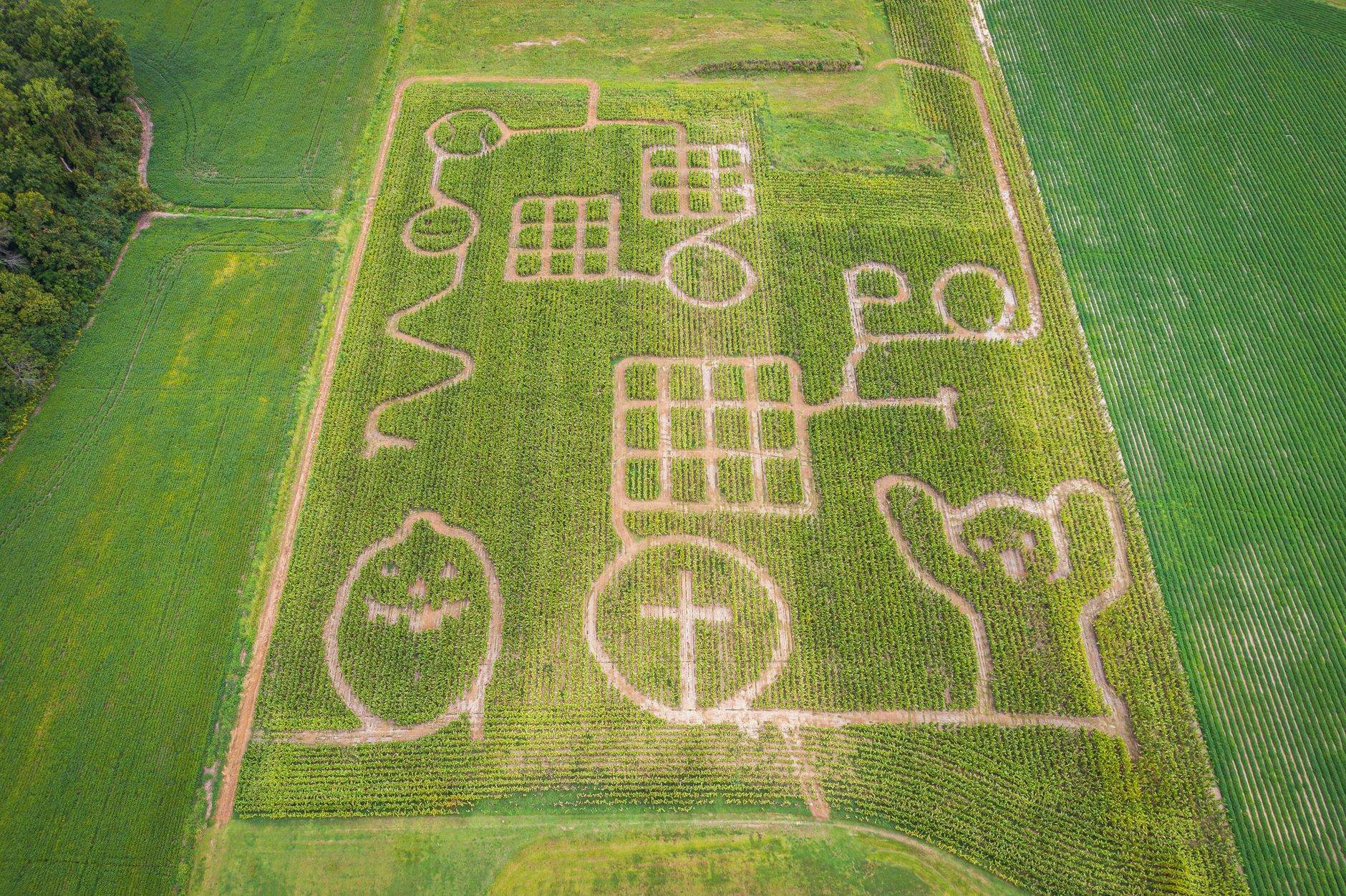 any small farms use a combination: a mower for main paths, a trimmer for details.
Choosing the right corn variety
Field corn is the standard for mazes because it grows tall and sturdy. Sweet corn is shorter and more prone to falling over. For a maze, you want a variety that reaches 6 to 8 feet tall with strong stalks. Good choices include:
- ‘Pioneer 1543’ (hybrid, 100-day maturity)
- ‘Dekalb DKC50-66’ (hybrid, 105-day maturity)
- ‘Blue River 3P381’ (hybrid, 95-day maturity)
These are common field corn hybrids available from seed dealers. You can also use a local hybrid adapted to your area; check with your county extension office. Seed costs run $150 to $250 per 80,000 seeds, which covers about 2.5 acres at a planting density of 30,000 seeds per acre.
Planting dates depend on your USDA zone. In Zone 5, plant in mid-May; in Zone 6, early May; in Zone 7, late April. The goal is to have the corn tasseling by late July and the maze ready by early September, just in time for fall visitors.
Preparing the soil and planting
Test your soil first. Corn prefers a pH between 6.0 and 7.0. If your pH is off, adjust it with lime or sulfur based on the test results. Apply a balanced fertilizer like 10-10-10 at a rate of 200 to 300 pounds per acre, or follow your soil test recommendations. Work the soil with a disc or tiller to create a fine seedbed.
Plant the corn in rows 30 inches apart, with seeds spaced 6 to 8 inches apart. That gives a plant population of about 30,000 per acre. Use a corn planter if you have one; for small areas, a walk-behind seeder or even hand planting works, but it is labor-intensive. A 1-acre maze takes about 4 to 6 hours to plant with a walk-behind seeder.
Water is critical during germination. If you do not get regular rain, irrigate with a sprinkler to keep the top inch of soil moist for the first two weeks. After the corn is established, it needs about 1 inch of water per week, but it can tolerate some drought.
Cutting the maze paths
The best time to cut paths is when the corn is 6 to 12 inches tall, usually 3 to 4 weeks after planting. Cutting early prevents the corn from shading the paths and keeps the walkways open. Use a string trimmer with a heavy-duty line, or a lawn mower set at a low height. For a clean cut, mow the paths down to bare soil or just above the roots.
If you wait until the corn is taller, the paths will be harder to see and cut. You can also cut a second time later if some corn regrows in the paths. For a more permanent path, consider laying down landscape fabric or mulch, but that adds cost and is not necessary for a seasonal maze.
Adding features and safety
To make the maze more appealing, add checkpoints or stations. Place flags, signs, or simple wooden posts at intersections. You can also create a scavenger hunt by hiding small tokens or stamps at specific locations. These features increase visitor engagement and justify a higher entry fee.
Safety is non-negotiable. Mark emergency exits clearly, and keep a map at the entrance. For a maze taller than 6 feet, consider adding a central observation tower (a simple platform) so staff can see visitors. Also, have a first aid kit and a phone on site. If you charge admission, check your local liability insurance requirements; many policies cover agritourism activities, but confirm with your agent.
Costs and pricing for 2026
Here is a realistic budget for a 1-acre maze:
| Item | Cost Range |
|---|---|
| Seed (field corn) | $60 - $100 |
| Fertilizer | $100 - $200 |
| Soil test | $10 - $30 |
| Fuel for mower/trimmer | $20 - $50 |
| Signs and flags | $50 - $150 |
| Insurance (seasonal) | $200 - $500 |
| Total | $440 - $1,030 |
If you charge $8 to $12 per person, you need about 50 to 100 visitors to break even. A well-marketed maze can draw 500 to 2,000 visitors in a season, depending on location and population density.
FAQ
How long does it take to build a corn maze? From planting to opening day, plan for 60 to 90 days. Cutting the paths takes 1 to 3 days, depending on the design and equipment.
Can I use sweet corn instead of field corn? Sweet corn is shorter and weaker, so it is not ideal. Field corn grows taller and holds up better in wind and rain.
What if my corn does not grow tall enough? If your corn is stunted, check soil fertility and water. You can also plant a faster-maturing variety next time. In a pinch, you can use a shorter maze, but it is less impressive.
Do I need a permit to open a corn maze? Check with your local government. Many areas require a business license and liability insurance. Zoning may also restrict agritourism activities, so verify before you invest.
The bottom line
Building a corn maze is a manageable project for a homesteader or small farmer. Start with a simple design, plant field corn in late spring, cut paths early, and focus on safety. With a modest budget of $500 to $1,000 and a bit of patience, you can create a fun fall attraction that brings your community together. The key is to plan ahead, test your soil, and cut the paths before the corn gets too tall. Do that, and you will have a maze that is both enjoyable and profitable.