How much is the pumpkin patch
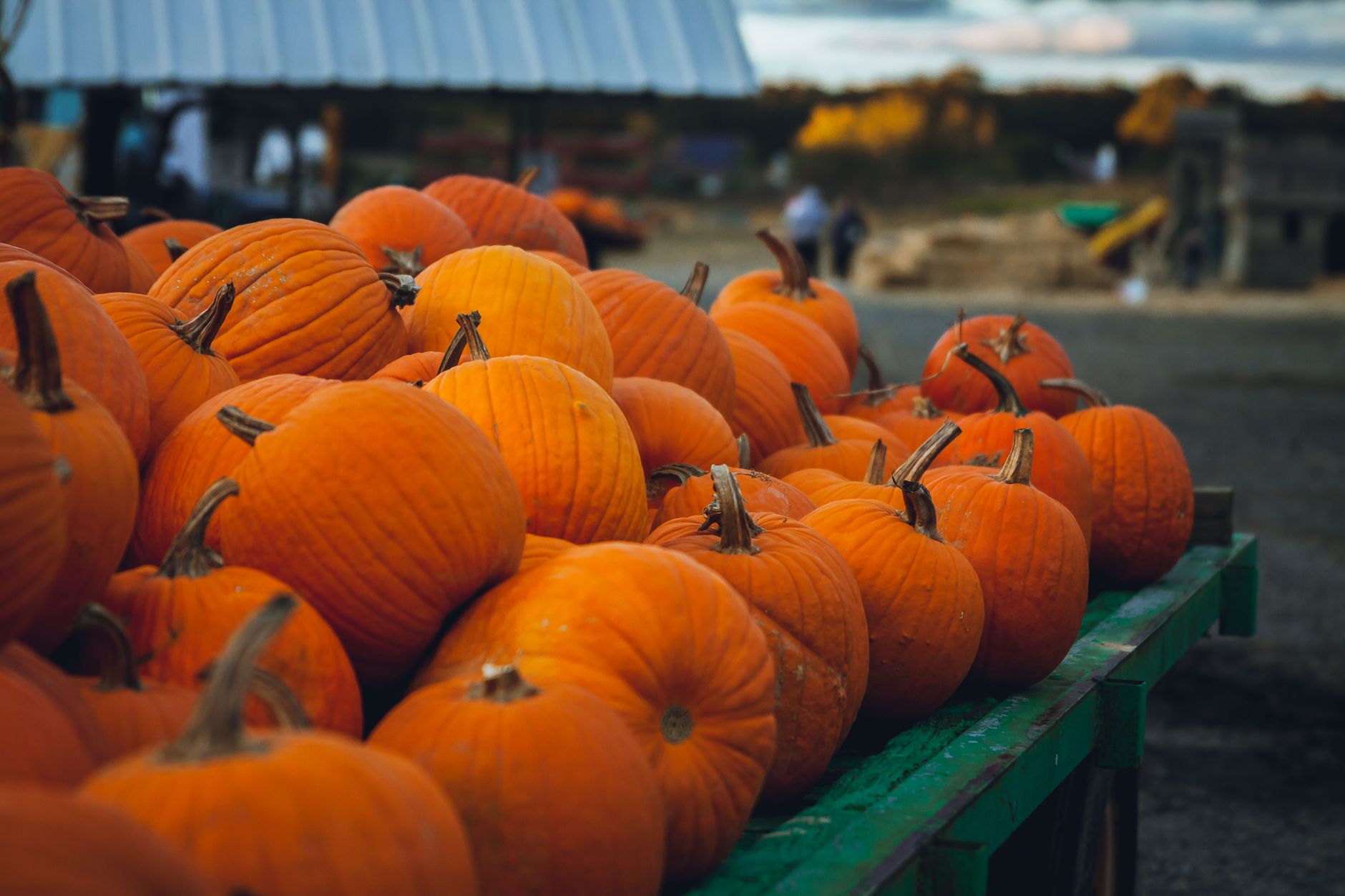
Learn the real cost of starting a pumpkin patch in 2026, from seeds to harvest, with realistic budgets for small farms and homesteads.
If you’re asking how much a pumpkin patch costs, the short answer is: $300 to $1,500 per acre for seeds, fertilizer, and basic equipment, plus your labor. For a quarter-acre patch, plan on $75 to $375 in direct costs. But the real expense is time: pumpkins need 90 to 120 days of care, and if you’re selling to the public, you’ll need liability insurance and signage. Here’s the breakdown, so you can budget without surprises.
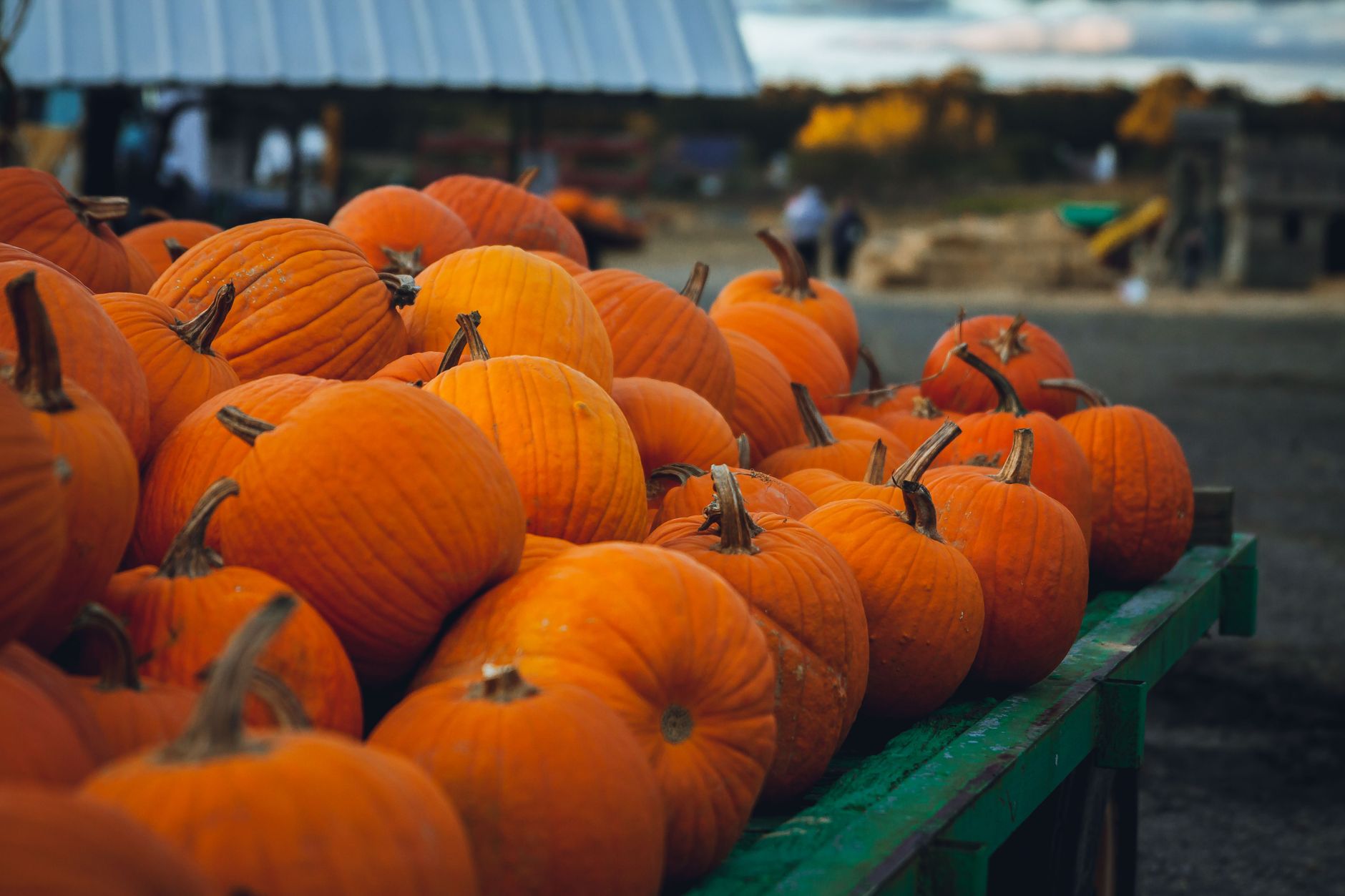
What you’ll spend on seeds and plants
Pumpkin seed prices vary by variety and whether you buy organic. In 2026, a 1-pound bag of open-pollinated seeds (about 1,000 seeds) costs $15 to $30. Hybrids like ‘Howden’ or ‘Magic Lantern’ run $20 to $40 per pound. For a quarter-acre, you’ll need 1.5 to 2 pounds of seed, so $30 to $80.
If you prefer transplants, a 6-pack of pumpkin starts costs $4 to $6 at garden cente
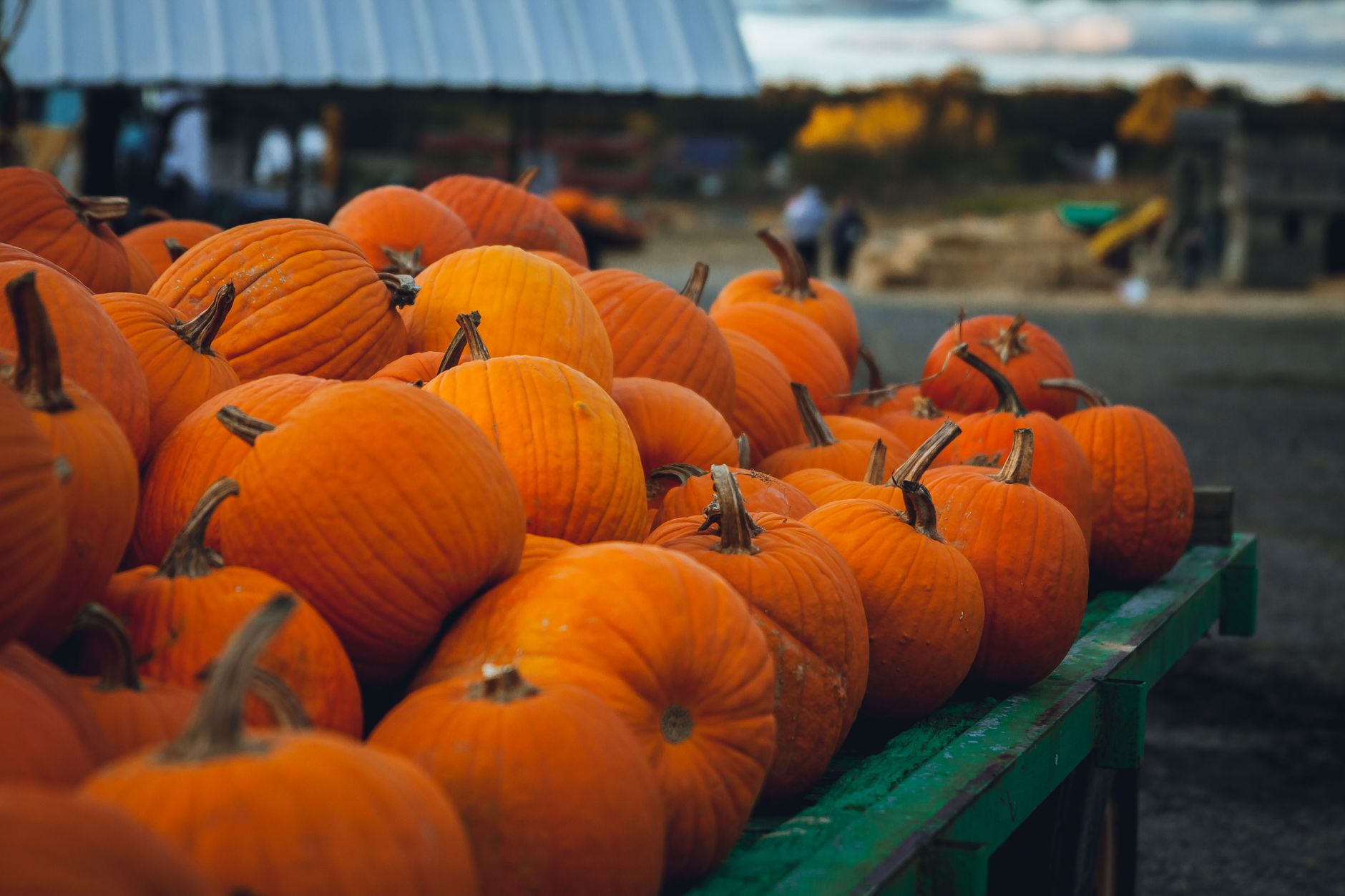 rs, but that’s impractical for a patch. Direct seeding is cheaper and works fine in most zones.
Soil prep and fertilizer: the real cost driver
Pumpkins are heavy feeders. A soil test costs $15 to $30 from your local extension office. Based on results, you’ll likely add compost or aged manure: $2 to $5 per cubic foot, or $50 to $150 for a quarter-acre. A balanced fertilizer like 10-10-10 runs $20 to $40 per 50-pound bag; you’ll need 2 to 3 bags for a quarter-acre.
If your soil is poor, add lime or sulfur: $10 to $20 per 50-pound bag. Total soil prep for a quarter-acre: $100 to $250.
Irrigation and weed control
Pumpkins need 1 to 2 inches of water per week. Drip tape costs $0.10 to $0.20 per foot, so a quarter-acre (about 200 feet of rows) runs $20 to $40. A simple timer adds $20 to $50. If you rely on rain, you save that, but dry spells can kill your crop.
Weed control: a stirrup hoe costs $30 to $50, or you can use landscape fabric at $0.10 per square foot. For a quarter-acre, fabric runs $100 to $200, but it’s reusable. Expect to spend 10 to 15 hours weeding per season.
Equipment and tools
If you have a tractor, a disc or tiller attachment is $200 to $500. For a small patch, a walk-behind tiller (rent or own) costs $50 to $100 per day to rent, or $300 to $600 to buy used. Hand tools: hoe, rake, and gloves, $30 to $60 total.
Pest and disease management
Squash bugs and vine borers are your biggest threats. Row cover (floating fabric) costs $0.10 to $0.20 per square foot, so $50 to $100 for a quarter-acre. Insecticidal soap or neem oil: $10 to $20 per bottle. Fungicides for powdery mildew: $20 to $40 per treatment. Budget $100 to $200 for pest control.
Harvest and storage costs
You’ll need a sharp knife ($10 to $20) and a wagon or cart ($50 to $200). For storage, pumpkins cure in the field for 10 to 14 days, so no extra cost unless you need a shed. If you sell at a stand, add $100 for tables and signs.
Total budget for a quarter-acre patch
Here’s a realistic range for a quarter-acre (about 10,000 square feet), assuming you already have basic hand tools:
| Item | Low estimate | High estimate |
|---|---|---|
| Seeds | $30 | $80 |
| Soil test and amendments | $100 | $250 |
| Fertilizer | $40 | $80 |
| Irrigation (drip tape + timer) | $40 | $90 |
| Weed control (fabric or tools) | $30 | $200 |
| Pest control | $100 | $200 |
| Harvest tools and stand | $60 | $220 |
| Total | $400 | $1,120 |
For a full acre, multiply by 3 to 4, so $1,200 to $4,500. These are direct costs; your labor is extra.
How to make money back
A quarter-acre can yield 2,000 to 4,000 pounds of pumpkins, depending on variety and care. At a roadside stand, pumpkins sell for $0.50 to $1.50 per pound, or $5 to $15 per pumpkin. If you sell 500 pumpkins at $8 average, that’s $4,000 gross. Even with a $1,000 budget, you can profit, but only if you have customers.
If you’re doing a pick-your-own patch, charge $8 to $12 per pumpkin, or $0.60 per pound. Add a corn maze or hayride to boost revenue, but those cost extra to build.
Varieties that work for different goals
- Carving: ‘Howden’ (100 days, 20 to 30 pounds), ‘Magic Lantern’ (100 days, 15 to 25 pounds).
- Pie: ‘Small Sugar’ (100 days, 5 to 8 pounds), ‘New England Pie’ (100 days, 4 to 6 pounds).
- Giant: ‘Atlantic Giant’ (120 days, can reach 100+ pounds, but needs lots of space and water).
- Mini: ‘Jack-Be-Little’ (90 days, 3 to 4 ounces), great for kids and decorating.
When to plant and harvest
Plant after the last frost when soil is 60°F. In USDA zones 3 to 5, that’s late May to early June; zones 6 to 8, mid-April to mid-May; zones 9 to 10, February to March. Count back 90 to 120 days from your target harvest (usually late September to October). For example, in zone 6, plant ‘Howden’ by June 1 for an October 1 harvest.
FAQ
Can I start a pumpkin patch with no money?
No, but you can keep costs low. Use saved seeds from last year’s pumpkins (though they may not grow true to type), skip irrigation if you have reliable rain, and borrow tools. You’ll still need soil amendments and pest control, so budget at least $100 for a small patch.
How much land do I need for a profitable patch?
A quarter-acre can be profitable if you sell directly. You’ll need at least 500 pumpkins to make $4,000 gross. If you have less space, consider growing mini pumpkins, which can be planted closer (2 feet apart vs. 4 to 6 feet for large varieties).
What’s the biggest hidden cost?
Labor. Pumpkins require daily checking for pests and watering during dry spells. A quarter-acre will take 20 to 30 hours of hands-on time over the season. If you value your time at $15 per hour, that’s $300 to $450, which can double your budget.
Do I need insurance for a pick-your-own patch?
Yes. General liability insurance for agritourism costs $300 to $800 per year for a small farm. Check with your insurer or a farm-specific provider like Farm Bureau. It’s non-negotiable if the public visits.
The bottom line
A quarter-acre pumpkin patch costs $400 to $1,100 in direct expenses, plus 20 to 30 hours of labor. You can recoup that with a decent harvest and direct sales, but don’t expect a windfall. Start small, choose proven varieties like ‘Howden’ or ‘Small Sugar’, and plan your planting dates based on your zone. If you’re patient and keep records, you’ll learn what works for your soil and market, and the second year will be cheaper and more profitable.