How much farmland to sustain one person
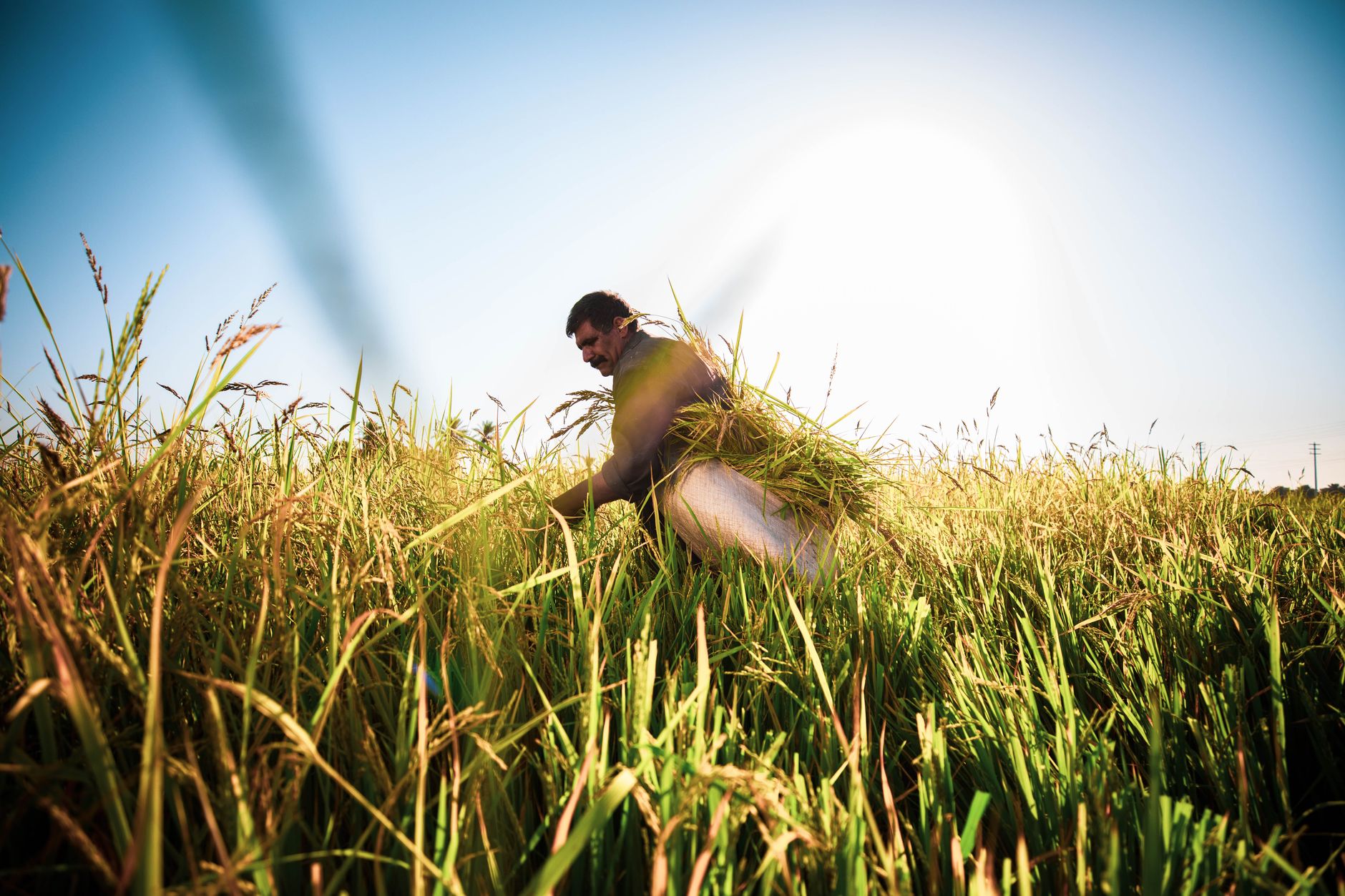
Learn the real acreage needed to grow food for one person, with practical breakdowns by diet, zone, and experience level.
The short answer: to grow all your own food for a year, plan on 1 to 2 acres per person, but that assumes a diverse diet, good soil, and serious commitment. If you only want to cover vegetables, a quarter acre (about 10,000 square feet) can feed one person, provided you use intensive methods and choose calorie-dense crops. These numbers come from real experience and extension data, not wishful thinking. Here is how to figure out what you actually need.
What does “sustain” mean?
First, define your goal. Do you want to grow 100% of your calories, or just the vegetables and some fruit? The difference is huge. A typical adult needs about 2,500 calories per day, or roughly 912,500 calories a year. Grains, beans, and potatoes provide the bulk of those calories, while vegetables and fruits offer nutrition but not many calories. If you aim for full self-sufficiency, you must allocate space for staple crops, which take more land than a garden.
Here is a rough breakdown of land needed for one person, based on a typical US diet (2026 averages):
| Goal | Land needed | Notes |
|---|---|---|
| All vegetables (no staples) | 0.25 to 0.5 acre | Intensive raised beds, succession planting |
| Vegetables + fruits | 0.5 to 1 acre | Includes a small orchard (5-10 trees) |
| Full diet (vegetables, grains, beans, some meat) | 1.5 to 2.5 acres | Requires crop rotation, livestock, and storage |
| Full diet with dairy and meat | 2 to 4 acres | More pasture, hay, and processing |
These figures assume moderate climate (zones 5-7), decent soil, and a willingness to put in 10-20
 hours per week during the growing season. If you live in a short-season zone (3-4) or poor soil, add 50% more land.
The vegetable garden: 0.25 acre is enough
If you are like most homesteaders, you want to grow your own vegetables, not necessarily your own wheat. A well-planned 10,000 square foot garden can produce all the vegetables for one person, with a surplus for canning and freezing. Here is what that looks like:
- Layout: Four 4-foot-wide raised beds, each 50 feet long, with 2-foot paths. That gives you 1,600 square feet of growing space, but you can double-crop and interplant to get more.
- Crops: Focus on calorie-dense vegetables: potatoes (200 pounds from 200 square feet), winter squash (50 pounds from 100 square feet), and sweet corn (if you have space). Add leafy greens, tomatoes, peppers, carrots, and beans for variety.
- Tools: A good spade, a garden fork, a hoe, and a drip irrigation kit. Budget $200-$400 for tools and seeds.
- Time: Expect 5-10 hours per week in peak season, including weeding and harvesting.
Realistic yield example: A 100-foot row of potatoes (about 50 pounds of seed potatoes) yields 200-300 pounds. That covers 10-15% of your annual calories. Add 100 square feet of winter squash (e.g., ‘Waltham Butternut’) for 50-80 pounds, and you have a solid calorie base.
Adding staples: grains and beans
To truly sustain yourself, you need carbohydrates and protein from staples. Here is the land math for those:
- Wheat: 1,000 square feet yields about 50 pounds of wheat berries, enough for 50 loaves of bread. A person needs about 200 pounds of grain per year, so you need 4,000 square feet (0.1 acre) for wheat alone.
- Dry beans: 1,000 square feet yields 50-80 pounds of dry beans. Plan for 100 pounds per person per year, so 1,500-2,000 square feet.
- Corn for meal: 1,000 square feet yields 50-100 pounds of shelled corn. For cornmeal, you need about 150 pounds per year, so 1,500-2,000 square feet.
Combine these: 0.1 acre for wheat, 0.05 acre for beans, 0.05 acre for corn. That is 0.2 acre just for staples. Add your vegetable garden (0.25 acre) and you are at 0.45 acre, plus space for paths and compost.
Livestock: meat and dairy
If you want meat, eggs, or milk, land needs jump. Here are realistic numbers for a small homestead:
- Chickens: 4-6 hens provide eggs for one person. They need about 10 square feet per bird in a coop and run, plus access to pasture. Feed costs $20-$30 per month for organic layer feed.
- Pigs: One pig for meat (about 150 pounds of pork) needs a quarter acre of pasture or a pen with rotational grazing. Feed costs $200-$300 over 6 months.
- Dairy goat: One goat gives about 1 quart of milk per day, enough for drinking and cheese. They need 0.25 acre of pasture and hay in winter.
For a full diet with meat and dairy, plan on 2-4 acres. That includes pasture, hay fields, and room for manure management.
Realistic timeline and costs
Do not expect to be self-sufficient in your first year. Here is a realistic plan:
- Year 1: Start with a 4,000 square foot vegetable garden. Learn soil health, composting, and pest control. Budget $500-$1,000 for tools, seeds, and soil amendments.
- Year 2: Expand to 0.5 acre. Add fruit trees (apple, pear, plum) and a small flock of chickens. Budget $1,000-$2,000.
- Year 3: Add staples like potatoes and winter squash, and consider a pig or goat. By now, you should produce 50-70% of your vegetables.
- Year 4+: Aim for full self-sufficiency, but remember that storage and preservation are key. You need a root cellar or cold storage for potatoes and squash, and a pantry for canned goods.
FAQ
Can I sustain one person on a quarter acre? Yes, but only for vegetables, not calories. You will still need to buy grains, beans, and meat. If you are vegetarian and eat mostly potatoes, squash, and greens, a quarter acre can cover 80% of your food, but you will need to preserve a lot.
What is the best crop for maximum calories per square foot? Potatoes are the winner: 200 pounds per 100 square feet is realistic with good soil. Sweet potatoes are also excellent in warm zones (7+). Winter squash stores well and gives high calories per square foot.
How much land do I need for a family of four? Multiply the per-person numbers by 3, not 4, because of shared resources like compost and tools. A family of four needs 3-6 acres for full self-sufficiency, or 1-2 acres for vegetables and some staples.
Do I need to own land, or can I rent? Renting is fine for vegetables, but for livestock and permanent plantings (fruit trees, asparagus), you need long-term security. Look for land with water rights and good soil. Expect to pay $50-$200 per acre per year for farmland rental in rural areas (2026 prices).
The bottom line
To sustain one person on homegrown food, plan for 1-2 acres if you want to cover all your calories, or 0.25-0.5 acre if you focus on vegetables and buy staples. Start small, learn your soil, and expand gradually. The most important factors are your climate, your willingness to work, and your storage capacity. No amount of land can replace good planning and hard work, but with the right acreage and methods, you can feed yourself for a year.
Remember: these are realistic numbers, not guarantees. Your yields will vary with weather, pests, and your own skill. But the math is clear: 1 acre is enough for one person if you are serious about it.