How long is animal farm
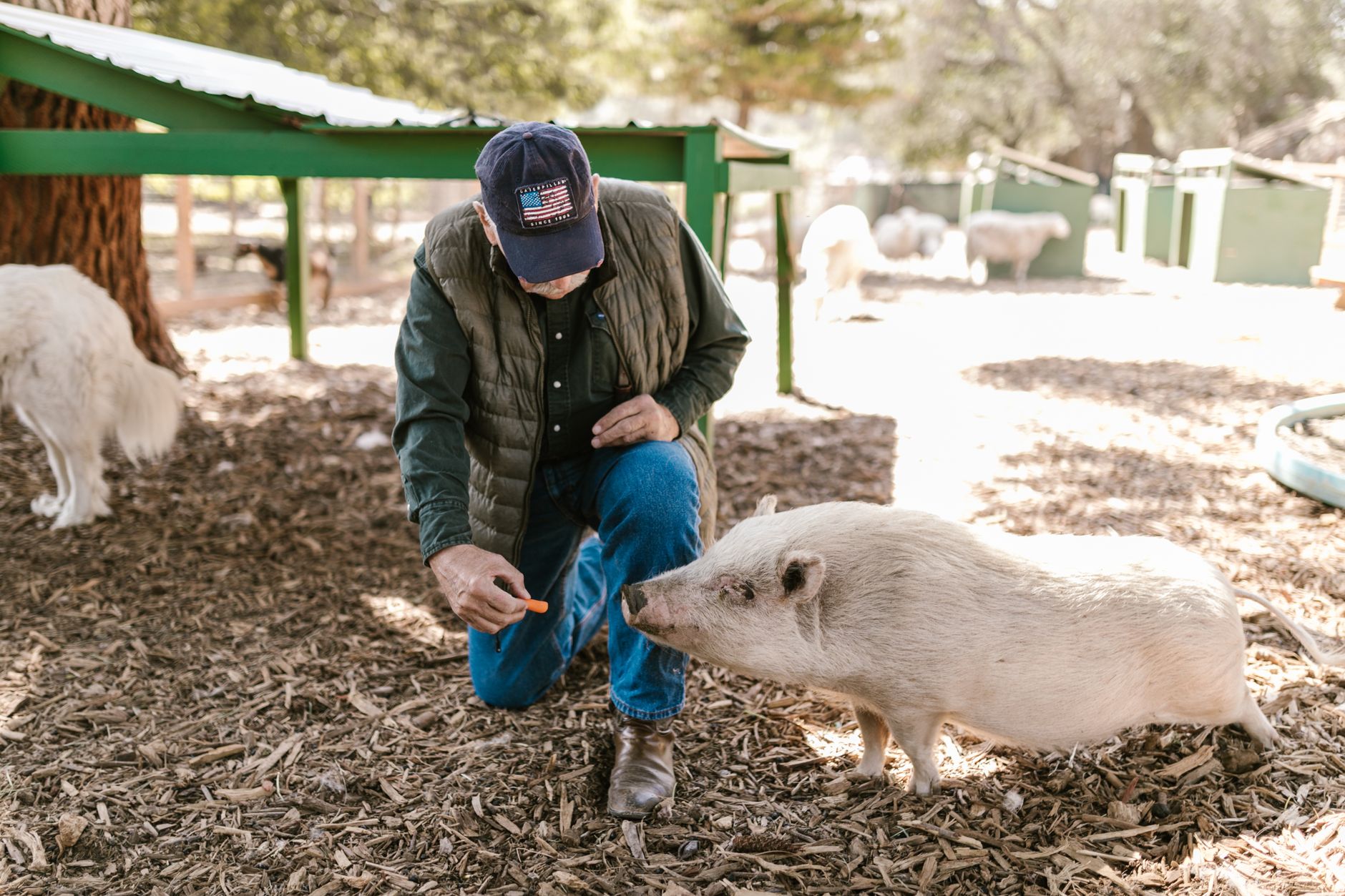
Learn how long it takes to start and run a small animal farm, from first animals to full production, with realistic timelines and costs.
Starting an animal farm is not a weekend project. From the day you bring home your first animals to the point where you’re selling eggs, meat, or fiber, expect 6 to 18 months, depending on the species and your goals. This guide breaks down the timeline for common farm animals, the costs involved, and the steps you can take this week to get moving.
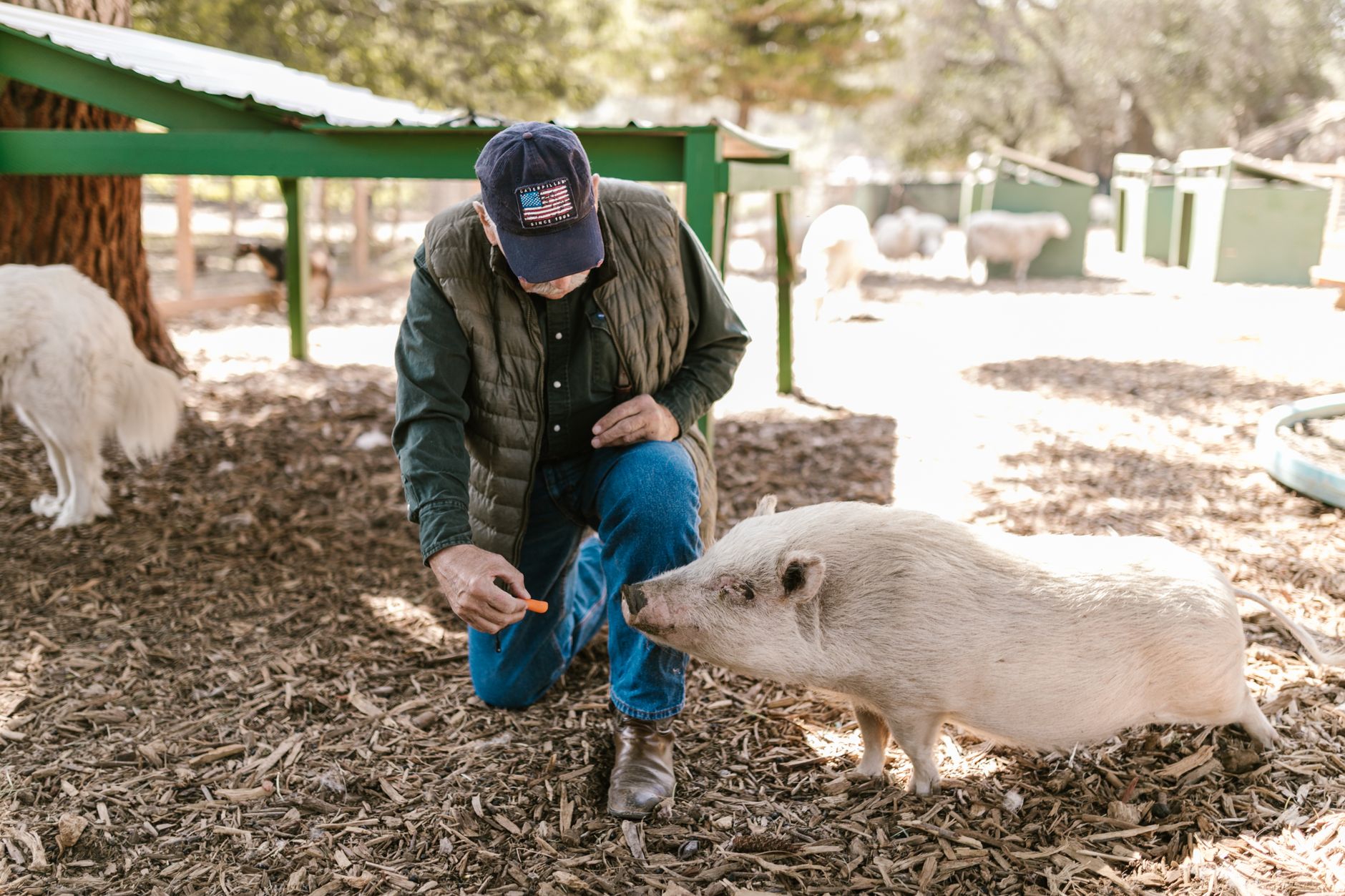
The short answer: 6 to 18 months to first income
If you’re starting from scratch with no land or animals, plan on 6 months for fast producers like chickens (egg-laying or meat), 12 months for pigs or goats, and 18 months for cattle. These timelines assume you have a suitable property and basic infrastructure already in place. If you need to build fencing, shelters, or acquire land, add 3 to 6 months.
| Animal | Time to first product | Initial cost per animal | Ongoing cost per month |
|---|---|---|---|
| Chickens (layers) | 5-6 months | $5-$15 per chick | $1-$2 per bird |
| Meat chickens | 8-10 weeks | $2-$4 per chick | $1 per bird |
| Pigs | 6-8 months | $50-$150 per weaner | $30-$50 per pig |
| Goats (dairy) | 12-18 months | $200-$400 per doe | $20-$40 per |
 |
|||
| goat | |||
| Cattle (beef) | 18-24 months | $800-$1,500 per calf | $50-$100 per head |
What takes so long?
Animals need time to grow, mature, and reproduce. A chick needs 5 months to start laying eggs. A pig needs 6 months to reach market weight. A heifer needs 2 years to have her first calf. You can’t rush biology, but you can plan around it.
Chickens: the fastest entry point
If you want to see results quickly, start with chickens. For eggs, buy sexed pullets (young females) at 16 to 20 weeks old. They’ll start laying within a month. For meat, buy Cornish Cross chicks and raise them for 8 to 10 weeks. They’ll reach 5 to 7 pounds, ready for processing.
Realistic costs: a basic coop for 6 hens costs $200 to $400 if you build it yourself, or $500 to $1,000 if you buy a pre-made one. Feed costs about $20 per 50-pound bag, and a laying hen eats 1.5 pounds per week. Expect to spend $15 to $25 per bird per year on feed.
Pigs: 6 to 8 months to pork
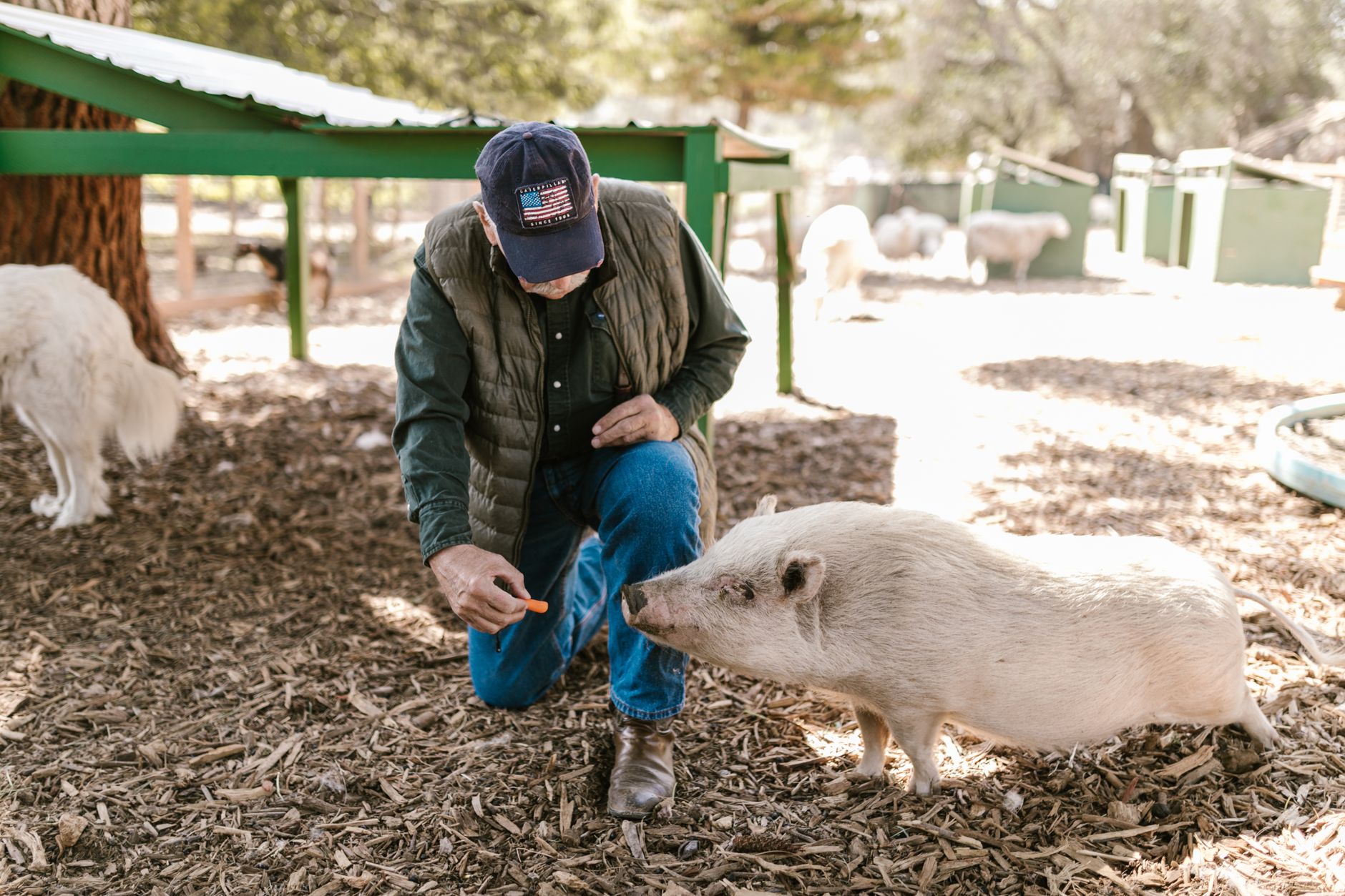
Pigs are efficient and fun, but they need space and strong fencing. A weaner pig (8 weeks old) costs $50 to $150. Feed them a balanced ration for 6 to 8 months, and they’ll reach 250 to 280 pounds, yielding about 150 pounds of meat. Feed costs run $30 to $50 per month per pig.
You’ll need a secure pen with electric fencing, a shelter, and a water source. Plan on $500 to $1,000 for fencing and housing if you start from scratch.
Goats: 12 to 18 months for milk or meat
Goats are hardy and versatile. For dairy, buy a bred doe or a kid and wait. A kid born in spring can be bred at 8 months, then give birth and start producing milk at 13 to 14 months. For meat, kids can be butchered at 8 to 12 months, weighing 40 to 60 pounds.
Initial costs: a weaned kid costs $100 to $200, a bred doe $300 to $500. You’ll need a secure fence (goats are escape artists), a shelter, and a milking stand if you’re milking. Budget $1,000 to $2,000 for setup.
Cattle: the long game
Beef cattle are a 2-year commitment. You can buy a weaned calf (6 months old) for $800 to $1,200, feed it for 12 to 18 months, and butcher it at 18 to 24 months. You’ll get 400 to 600 pounds of meat.
Cattle need pasture, water, and strong fencing. If you don’t have pasture, you’ll buy hay, which adds $100 to $200 per month per head. Setup costs for fencing and a handling system can run $2,000 to $5,000.
What you can do this week
- Check local regulations: Call your county extension office or planning department. Ask about zoning, permits, and any restrictions on livestock. This can save you from costly mistakes.
- Choose your species: Based on your land, time, and budget, pick one animal to start with. Chickens are the easiest for beginners.
- Build infrastructure: If you’re starting with chickens, build or buy a coop. For pigs or goats, install fencing. This is the most time-consuming part, so start now.
- Order animals: Find a local hatchery or breeder. Order chicks or weaners for delivery in spring or early summer. Many hatcheries require orders 4 to 6 weeks in advance.
- Set a budget: Write down all costs: animals, feed, fencing, shelter, vet care, and processing. Add 10% for unexpected expenses.
Realistic yields and income
Don’t expect to get rich quickly. A small flock of 25 laying hens can produce about 20 eggs per day at peak, which might sell for $5 to $7 per dozen at a farmers market. That’s $300 to $400 per month, minus feed costs of $50 to $75. A pig raised for $200 in feed costs can yield 150 pounds of pork, which you might sell for $4 to $6 per pound, grossing $600 to $900.
These numbers are realistic for small-scale operations. Your actual income depends on your market, your costs, and how much time you put in.
FAQ
Q: Can I start with just one or two animals? A: Yes, but note that most animals are social. Chickens need at least 3 to 4 hens to be happy. Pigs and goats do best in pairs. Cattle can be kept singly, but they’re herd animals, so consider a companion.
Q: What’s the best animal for a beginner on 1 acre? A: Chickens are the best choice. They need minimal space, are cheap to start, and produce eggs quickly. You can keep 6 to 10 hens on a quarter acre with a movable coop.
Q: How much time do I need daily? A: Plan on 30 minutes to 1 hour per day for feeding, watering, and checking animals. Add more time for cleaning, milking, or processing.
Q: Do I need to process animals myself? A: No. You can find local processors, but book ahead. Processing a pig costs $75 to $150, a beef $300 to $500. For chickens, you can learn to process them yourself, which saves money.
The bottom line
Animal farming is a rewarding but slow process. Start small, plan for 6 to 18 months before you see income, and be realistic about costs and yields. Chickens are the fastest way to get your feet wet. Pigs and goats take longer but offer more meat or milk per animal. Cattle are a multi-year commitment. Whatever you choose, start with good infrastructure, order animals early, and keep records. You’ll learn by doing, and every mistake is a lesson for next season.