How long do farmers work
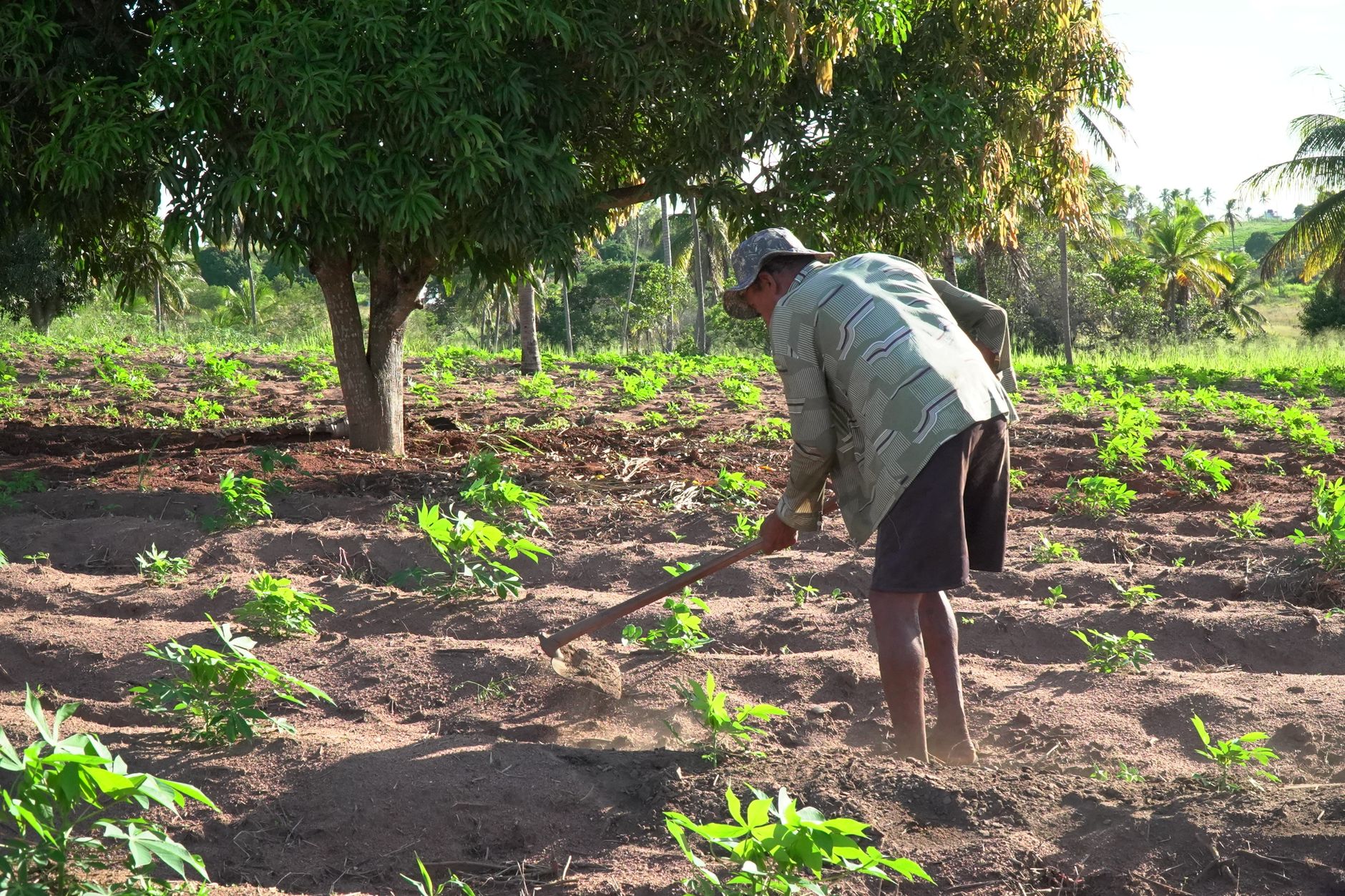
Farmers work 50-60 hours weekly in peak season, but it varies by farm type, season, and scale. Here's a realistic breakdown.
The honest answer: most farmers work 50 to 60 hours a week during planting and harvest, and 30 to 40 hours in winter. But that average hides huge swings. A vegetable farmer in July might log 70 hours, while a grain farmer in January might work 10. Your exact hours depend on what you grow, how you sell, and how much you mechanize. This guide breaks down the numbers by season and farm type, so you know what to expect before you commit.
What the average farmer actually works
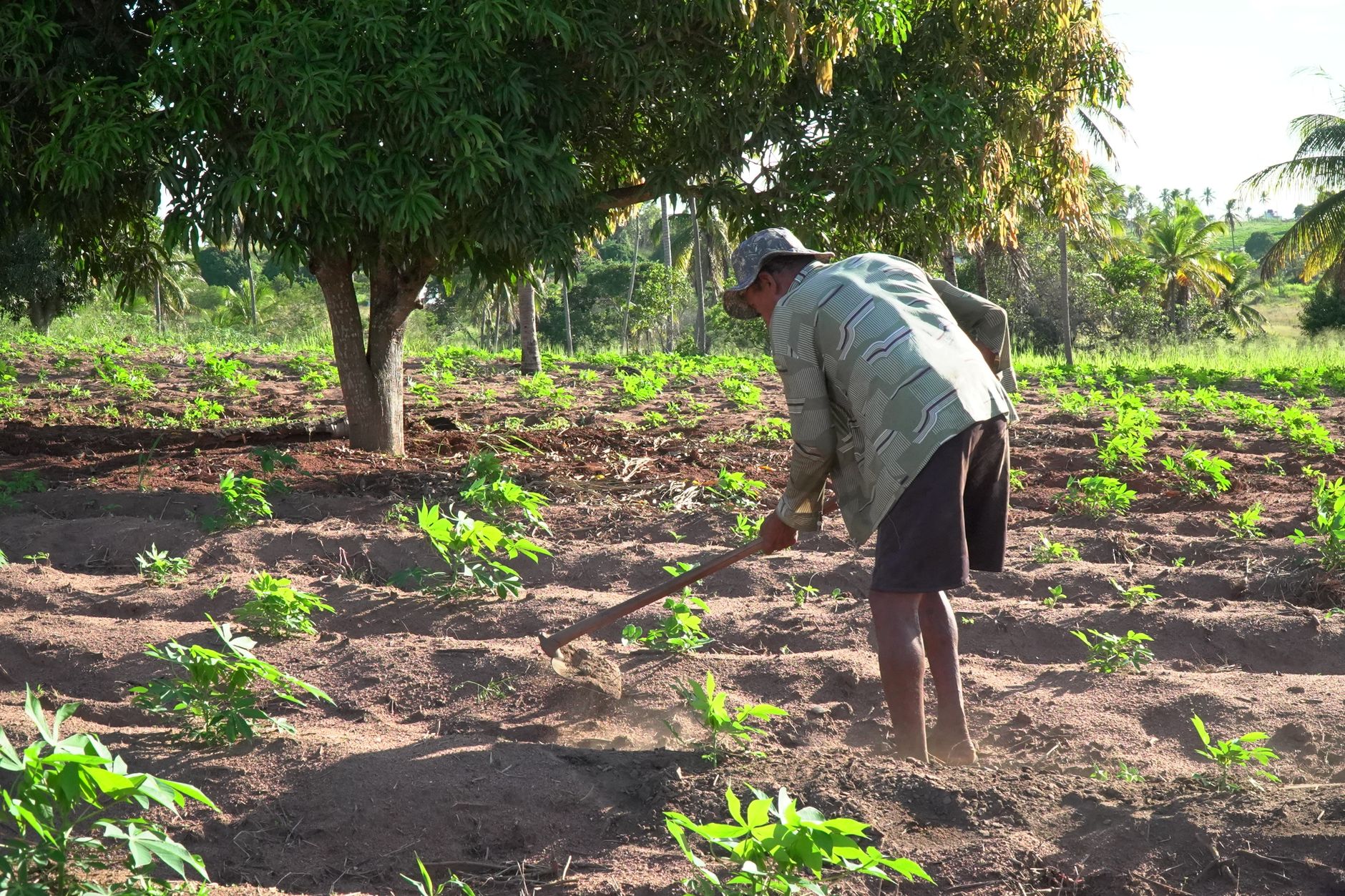
Data from the USDA and farm surveys consistently show full-time farmers average 50 to 60 hours per week during the growing season. Off-season, that drops to 30 to 40. But these are averages across all farm types. A dairy farmer works 365 days a year, twice a day, no exceptions. A row-crop farmer might work intensely for 8 weeks and then have lighter months.
Here is a realistic weekly breakdown by season for a mixed vegetable farm (1 to 5 acres, selling at farmers markets and CSAs):
| Season | Hours per week | What you are doing |
|---|---|---|
| Spring (Mar-May) | 50-60 | Soil prep, planting, greenhouse work, first weeding |
| Summer (Jun-Aug) | 60-70 | Harvesting, weeding, irrigating, market prep, selling |
| Fall (Sep-Nov) | 50-60 | Main harvest, winter crop planting, cleanup, storing |
| Winter (Dec-Feb) | 20-30 | Planning, equipment repair, seed orders, marketing, rest |
For livestock, add 1 to 2 hours daily for feeding and watering, plus periodic chores like shearing or vet visits. A small herd of 20 sheep might take 30 minutes a day; 100 laying hens, 45 minutes. Dairy is the outli
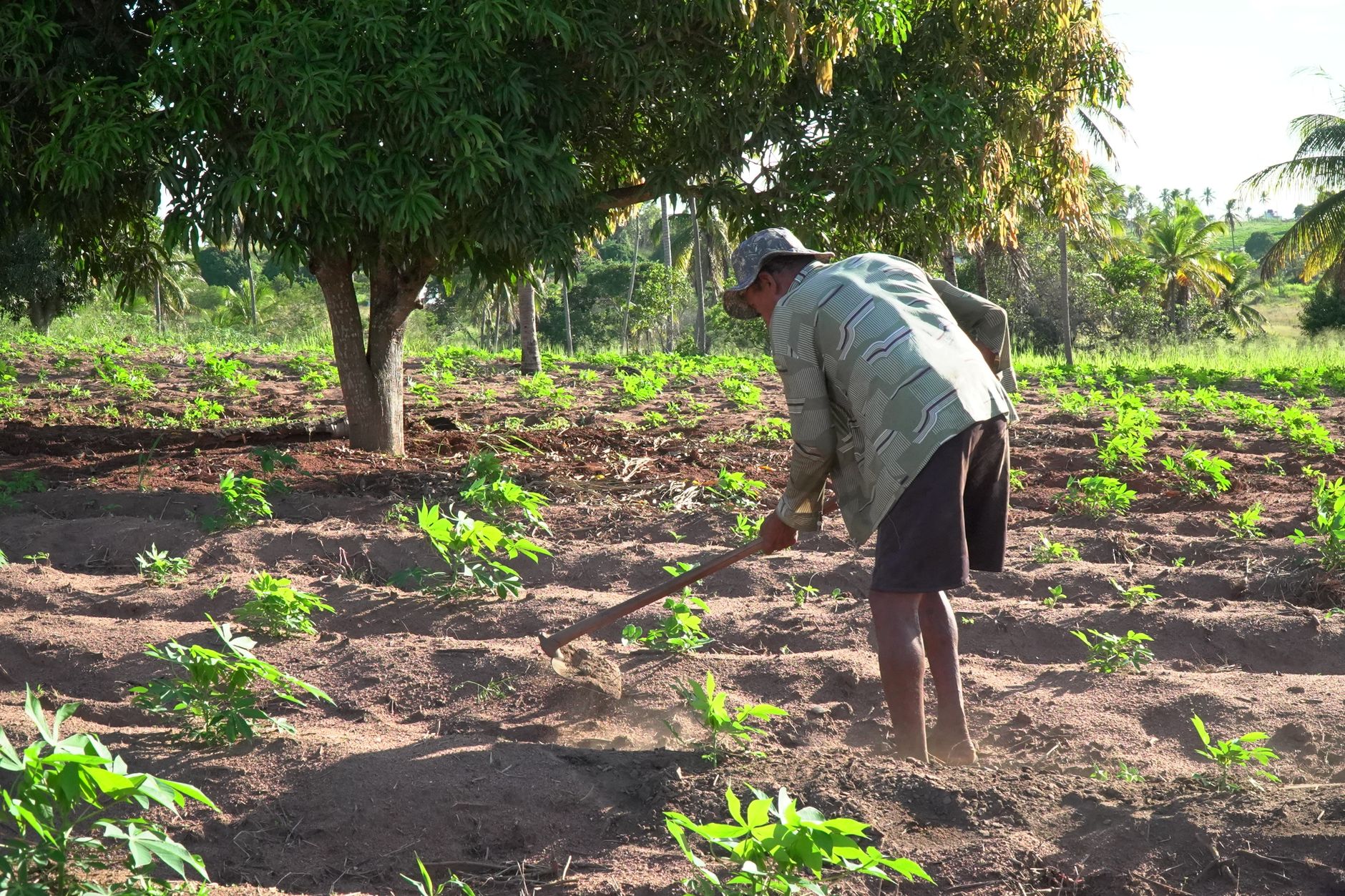 er: expect 8 to 10 hours a day, 7 days a week, because cows need milking twice daily.
Why hours vary so much by farm type
Your crop or animal choice drives your schedule. Here is a quick comparison:
- Vegetable farms: High labor, long hours in summer, but you can take winter off if you don’t do winter markets. Expect 60+ hour weeks from June through September.
- Grain farms: Highly mechanized. You might work 80 hours for two weeks during planting and again at harvest, but only 20 hours a week the rest of the year. A 500-acre corn and soybean farm can be run by one person with modern equipment.
- Orchards: Pruning in late winter, thinning in spring, harvest in fall. Harvest season is intense, 60 to 70 hours, but other months are 40 or less.
- Dairy or livestock: Constant daily chores. Even a small 20-cow dairy requires 6 to 8 hours daily, every day. No true off-season.
- Mixed farms: Combining crops and animals spreads work but also spreads your attention. You will rarely have a slow month.
The real cost of those hours
Long hours are not just about time. They affect your body and your wallet. A 2025 survey by the American Farm Bureau found that 70% of farmers work second jobs off-farm to make ends meet. That means the “farm work” hours above are on top of a paycheck job. If you are starting out, plan for 80 to 90 total hours per week during peak season if you also work off-farm.
Financially, a small vegetable farm (1 to 2 acres) grosses $30,000 to $60,000 per acre in 2026, but net profit is often 20% to 30% of that. So a 1-acre farm might net $6,000 to $18,000. Divide that by 2,500 hours of work, and you are earning $2.40 to $7.20 per hour. That is not a living wage. Most farmers rely on off-farm income or a spouse’s job.
How to manage your work hours
You do not have to work yourself into the ground. Here are practical steps to keep hours sane:
- Choose crops that match your schedule. If you value winter off, avoid winter squash (harvest in September, but storage is easy) and instead grow early greens and tomatoes. If you want a slower spring, plant perennial fruits like raspberries or apples that need less daily attention.
- Mechanize the big tasks. A walk-behind tractor like a BCS 739 costs $4,000 to $5,000 new (2026 prices) and can save you 10 hours a week in tilling and bed prep. A good wheel hoe, $150, saves hours of weeding.
- Sell wholesale, not retail. Farmers markets take 4 to 6 hours per market, plus prep. Selling to restaurants or a local co-op takes one drop-off trip. You earn less per pound, but you save hours.
- Set a hard stop. Decide you will not work after 6 PM or on Sundays. Use that time for planning. It forces you to be efficient.
- Hire seasonal help. One part-time high school student for $15/hour for 10 hours a week in summer can cut your harvest time by 20%. Budget $1,500 to $2,000 for the season.
Realistic tools and costs to save time
| Tool | Price (2026) | Hours saved per week |
|---|---|---|
| BCS walk-behind tractor | $4,000-$5,000 | 8-10 |
| Wheel hoe (e.g., Hoss) | $150-$200 | 3-5 |
| Drip irrigation kit (1 acre) | $300-$500 | 4-6 (no moving sprinklers) |
| Greenhouse (30’ x 48’) | $3,000-$5,000 | Extends season, evens out spring hours |
These are real prices from 2026 catalogs. You do not need all of them at once. Start with a wheel hoe and drip irrigation; they pay for themselves in saved time within one season.
FAQ
Q: Do farmers work less in winter? A: Most do. Vegetable and grain farmers drop to 20 to 30 hours a week in December and January. Livestock farmers still do daily chores, but even they can cut hours to 40 or less if they are not calving or lambing.
Q: Can you farm part-time and still make money? A: Yes, but keep it small. A quarter-acre vegetable garden with a $500 drip irrigation system and $200 in seeds can gross $5,000 to $10,000 if you sell at a local market. That is 10 to 15 hours a week. It will not replace a salary, but it can pay for itself.
Q: What is the hardest season for hours? A: Summer, without question. Harvesting, weeding, and market prep pile up. Expect 60 to 70 hours for 8 to 10 weeks. Plan meals ahead and line up help before June.
Q: How do farmers avoid burnout? A: They take a real day off each week, even in summer. They also automate: drip irrigation, mulch to suppress weeds, and direct seeding to reduce transplant time. And they accept that some tasks can wait a day.
The bottom line
Farmers work long hours, but not uniformly. Expect 50 to 60 hours a week in peak seasons, 30 to 40 in winter, and more if you add livestock or dairy. The key is to choose a farm type that matches your tolerance for hours, and to invest in tools that save time. Start small, track your hours for two weeks, and adjust. You can farm without losing your life to it, but you have to plan for the busy months.