How long are pumpkin patches open
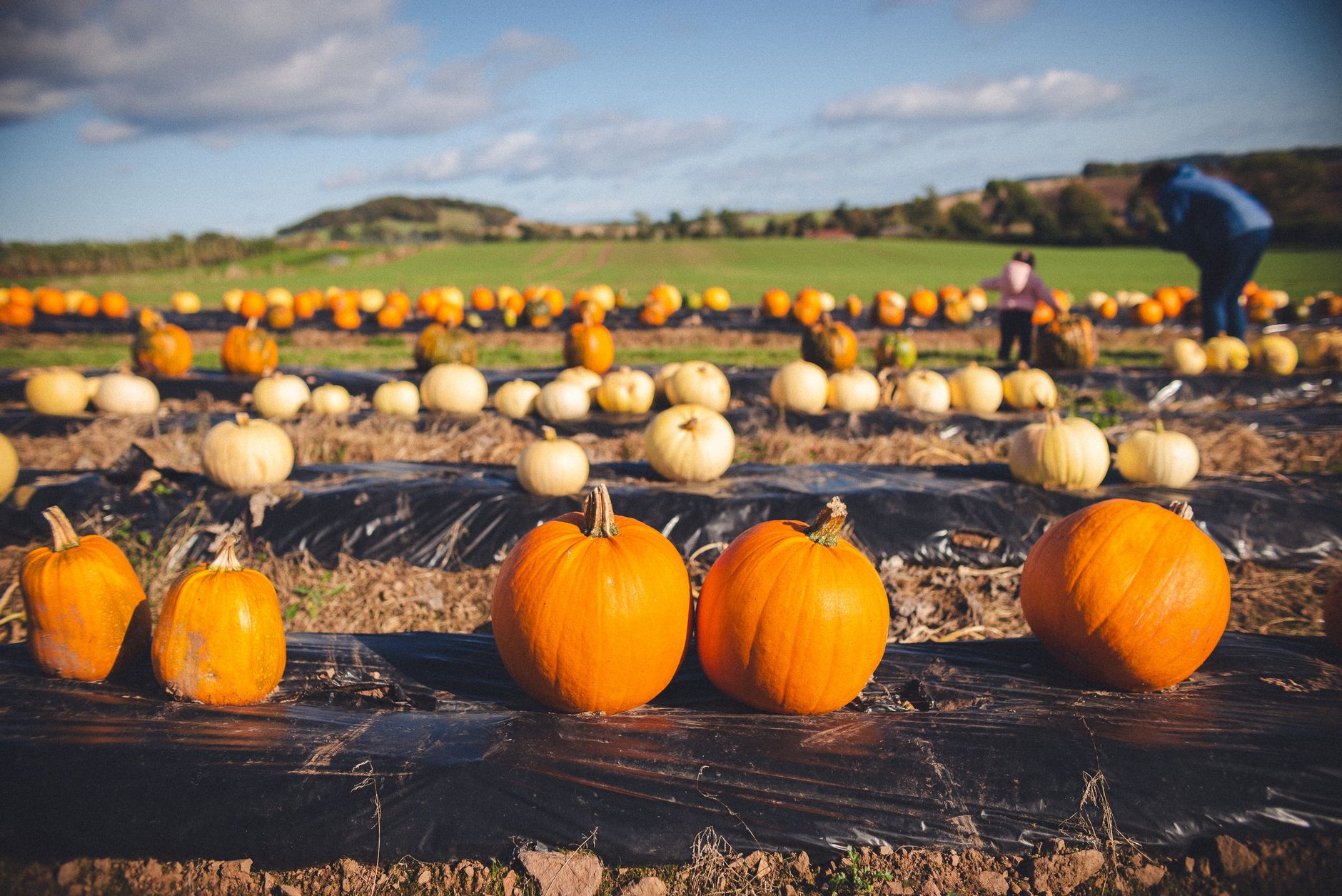
Pumpkin patches typically open from late September through October, but exact dates vary by region and farm. Learn what to expect and how to plan your visit.
Most pumpkin patches open in late September and close on October 31, giving you about five to six weeks of visiting time. However, exact dates vary by region, climate, and individual farm policies. In warmer zones (USDA 8 and above), patches may open as early as mid-September, while in colder zones (USDA 3-5), they often start in early October. Some farms extend into early November if pumpkins remain and weather holds. Always check the farm’s website or call ahead, as many operate only on weekends or close on Mondays.
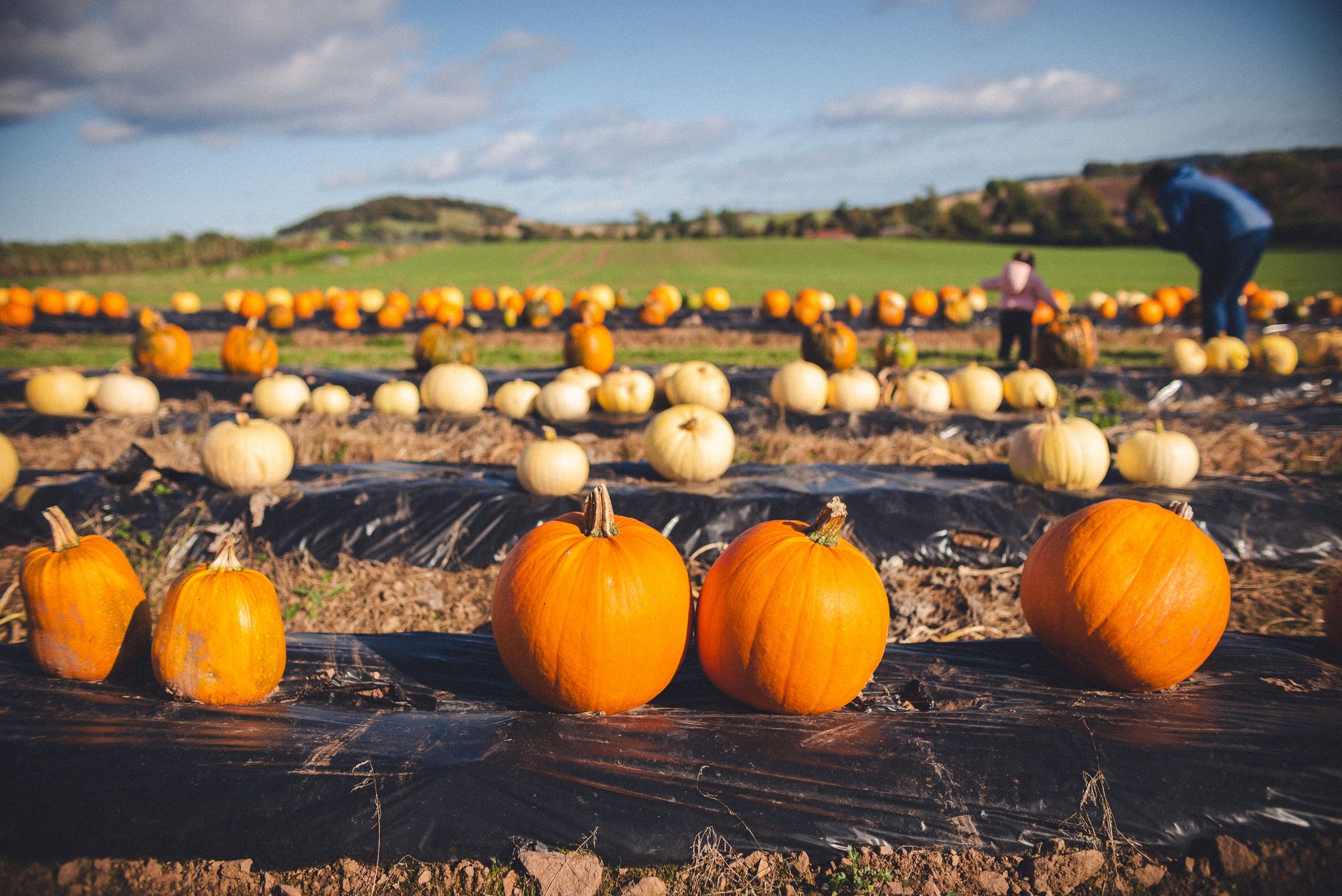
Why the season is short
Pumpkins are a fall crop, planted in late spring and harvested in September. They store well for a few weeks, but quality declines after about a month. Farms want to sell before pumpkins soften or rot. Also, the agritourism season is tied to Halloween and fall festivals, so d
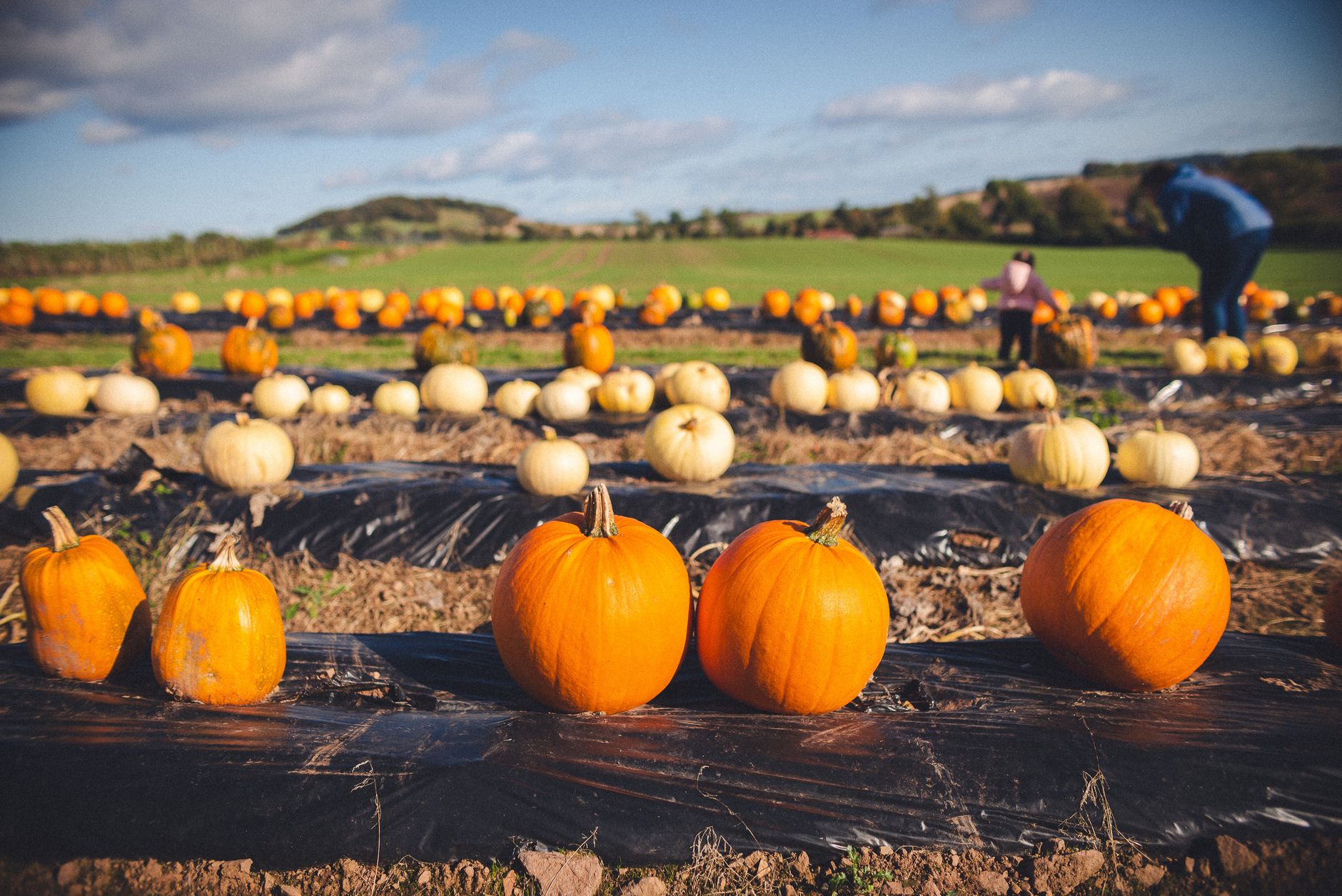 emand drops sharply after October 31. That’s why most patches close by then, even if pumpkins are left.
Typical opening and closing dates by region
Here’s a general timeline based on USDA hardiness zones. These are averages; check local farms for specifics.
| USDA Zone | Typical Opening | Typical Closing | Notes |
|---|---|---|---|
| 3-4 (e.g., Minnesota, Montana) | Early October | October 30 | Short season, often weekend-only |
| 5-6 (e.g., Ohio, Missouri) | Late September | October 31 | Peak weekends are busy |
| 7-8 (e.g., Virginia, Texas) | Mid-September | October 31 | Some open in early September |
| 9-10 (e.g., Florida, California) | Mid-September | November 1 | Warmer weather may extend |
Many farms also have “pre-season” weekends in September for school groups or special events, but general public access starts later.
Factors that affect hours and dates
- Crop readiness: If a wet spring delays planting, harvest shifts later. In 2025, some Midwest farms opened a week later than usual due to rain.
- Weather: A warm October can keep pumpkins in good shape, but a hard frost can damage them, forcing early closure.
- Farm policies: Some patches close on Mondays and Tuesdays, or only open after noon on weekdays. Others stay open daily until Halloween.
- Location: Farms near cities often have longer hours to accommodate crowds, while rural farms may close earlier.
How to find exact dates for your local patch
- Search online: Use terms like “pumpkin patch near me” or “pumpkin patch [your town] 2026.” Check the farm’s official website or social media.
- Call ahead: The phone number is usually on the website. Ask for “open dates and hours.” This is the most reliable method.
- Check local event calendars: County extension offices and local tourism boards often list agritourism schedules.
- Visit early in the season: If you go in late September, you’ll avoid the October rush and have the best selection. But confirm they’re open first.
What to expect during the season
- Weekends are busiest: Expect long lines and crowded fields on Saturdays and Sundays, especially in October. Go on a weekday if possible.
- Pumpkin prices: In 2026, expect to pay $5 to $15 per pumpkin, depending on size. Large decorative pumpkins can run $20 to $40. Some farms charge an entry fee (often $10 to $20 per person) that includes a small pumpkin.
- Activities: Many patches have corn mazes, hayrides, and petting zoos. These may have separate fees, so budget accordingly.
- What to bring: Wear sturdy shoes, bring cash (some farms are cash-only), and bring a wagon or wheelbarrow for hauling pumpkins. Many farms provide carts, but they run out.
Planning your visit this week
If you’re reading this in September or October, here’s your action plan:
- Identify three farms within a 30-minute drive. Use the search method above.
- Call or check websites for exact open dates and hours. Write them down.
- Choose a weekday visit if possible, or go early on a weekend (right at opening time) to beat crowds.
- Prepare for weather: Bring layers and rain gear if needed. Pumpkin patches are outdoors.
- Set a budget: Decide how much you’ll spend on pumpkins and activities before you go.
FAQ
Q: Can I visit a pumpkin patch after Halloween? A: Rarely. Most close on October 31. Some farms may stay open into early November for leftover sales, but it’s not common. Call to check.
Q: Do pumpkin patches open in September? A: Yes, many in warmer zones open in mid-September. In colder zones, they may open in early October. Always verify.
Q: Are pumpkin patches open on weekdays? A: Many are, but some only open on weekends or have limited weekday hours. Check the farm’s schedule.
Q: What if it rains? A: Some farms close during heavy rain, especially if parking lots are unpaved. Call ahead or check social media for updates.
The bottom line
Pumpkin patches are a seasonal business, typically open from late September through October 31. The exact window varies by region and farm, so your best move is to call or check online before you go. Plan for a weekday visit to avoid crowds, and expect to pay $5 to $40 for pumpkins. If you miss the season, you’ll have to wait until next year, so mark your calendar for late September and start checking local farms early.