Best tour guide for farm stays
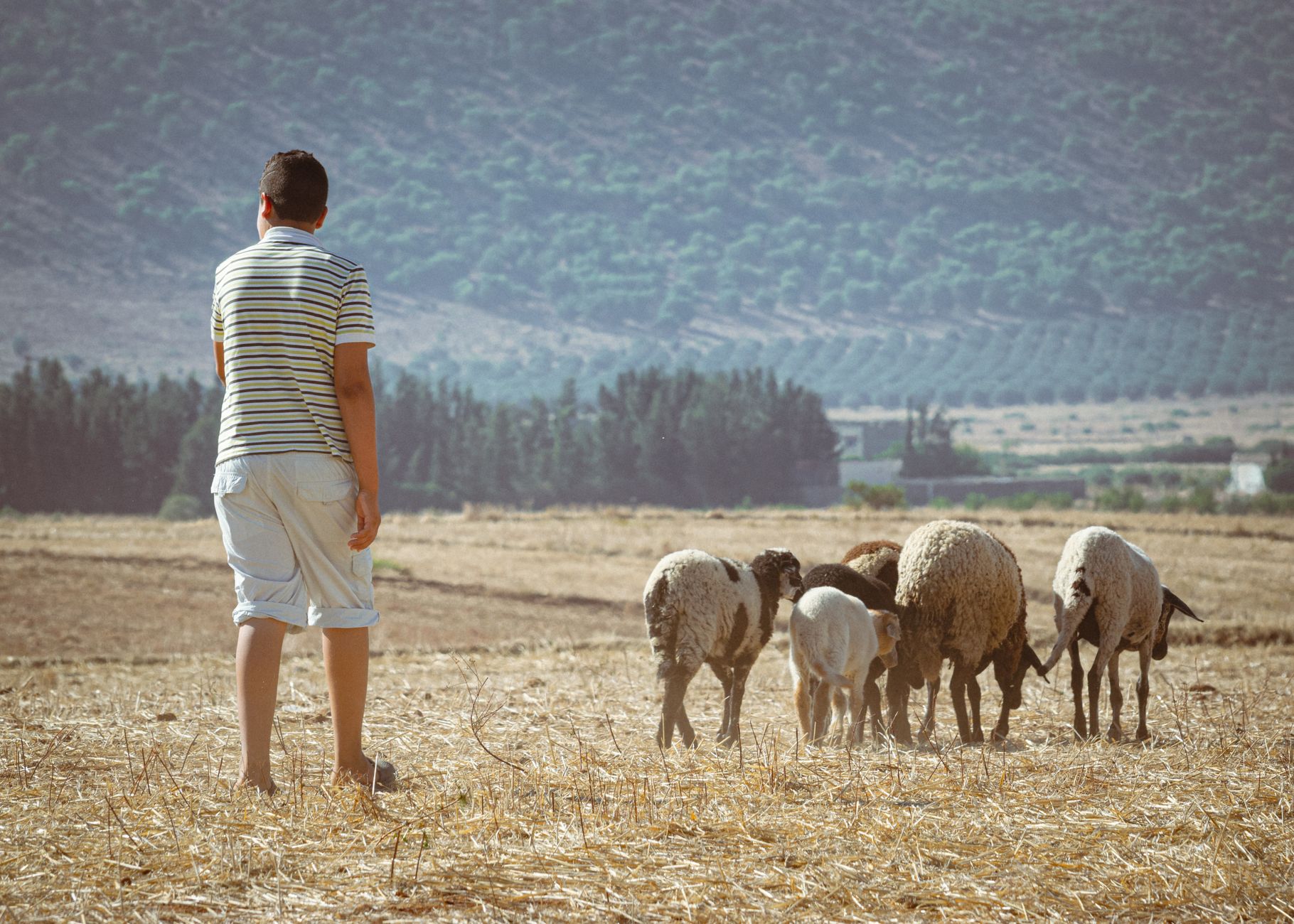
Learn how to lead farm stay tours: plan routes, share stories, handle questions, and price your tours for 2026.
If you are hosting farm stays, a good tour can turn a simple overnight into a memorable experience. The best tour guide for farm stays is you, the farmer, but you need a plan. This guide covers how to structure a tour, what to show, how to handle questions, and what to charge in 2026.
Start with a clear route and timing
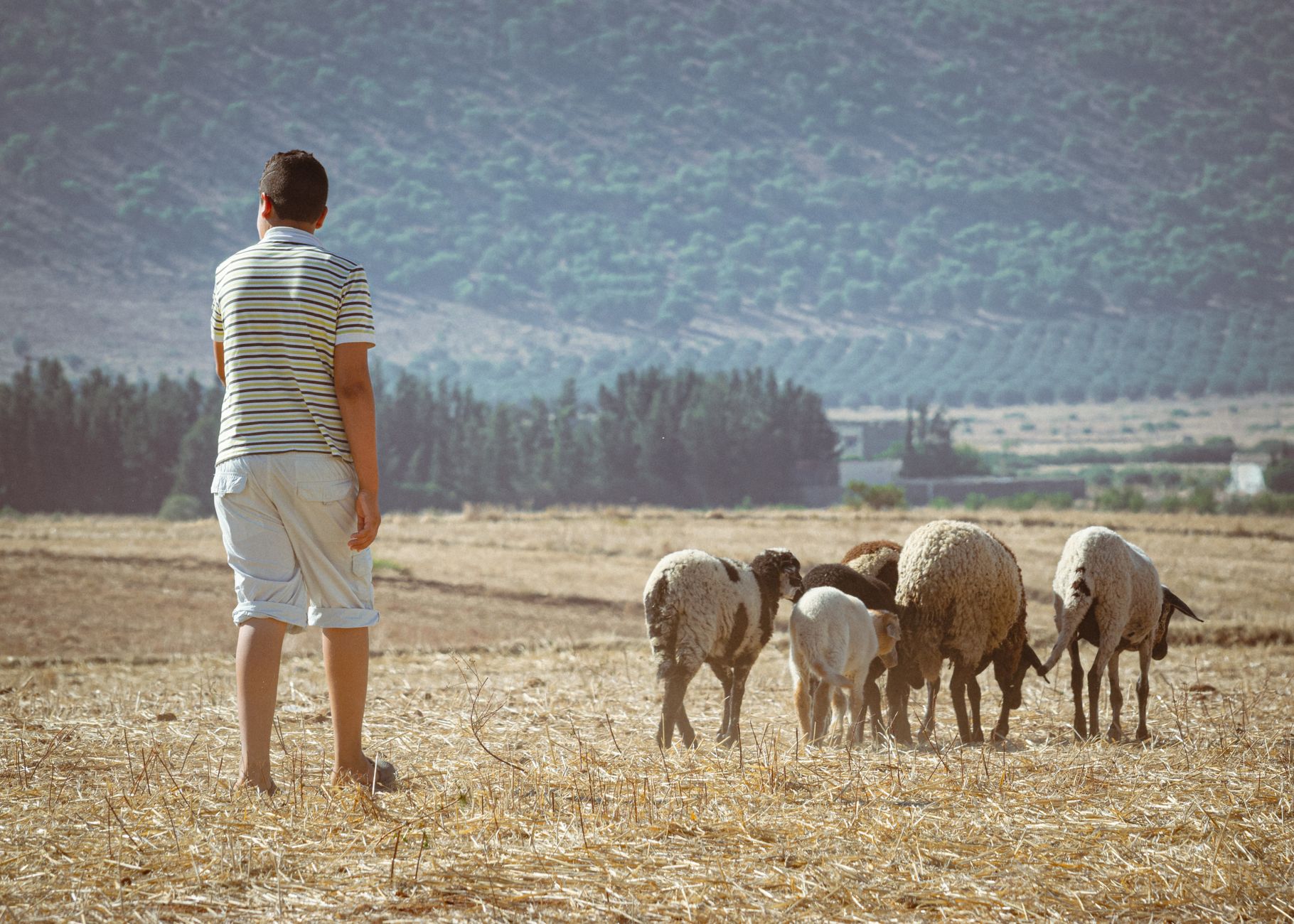
A farm tour should last 45 to 60 minutes. Longer than that and guests lose focus, especially after travel. Shorter than 30 minutes feels rushed. Plan a loop that starts and ends at the main gathering area, like a barn or farmhouse porch.
Map out 5 to 7 stops. For example: livestock pens, vegetable garden, orchard, tool shed, and a scenic viewpoint. At each stop, plan a 5 minute talk. Use a simple timer on your phone to stay on track.
Walk the route yourself before guests arrive. Note any muddy spots, low branches, or
 gates that stick. Fix what you can, and warn guests about the rest. A safe path is a happy path.
What to show and what to skip
Show the working parts of your farm, not just the pretty views. Guests want to see real operations: how you feed animals, how you irrigate, how you compost. That is what makes a farm stay different from a hotel.
A good order is: start with animals (they are engaging), then move to crops, then to infrastructure like water systems or solar panels. End with a taste or a hands-on moment, like picking a berry or petting a goat.
Skip the boring stuff: long financial explanations, detailed machinery specs, or your personal family history unless it ties to the land. Keep it about what is here now and how it works.
Tell stories, not just facts
Facts are forgettable. Stories stick. For each stop, prepare one short story: a hard winter, a successful experiment, a funny animal escape. Keep it under 2 minutes.
For example, instead of saying “We rotate cattle every 3 days,” say “Last spring, the fence broke and the herd found the lettuce patch. That is why we now check the fence every morning.” That story teaches the same lesson but with emotion.
Use the five senses: what does the soil smell like, what does the chicken coop sound like, what does fresh basil taste like? Ask guests to touch a leaf or listen to the bees. That makes the tour interactive.
Handle questions like a pro
Guests will ask about everything from crop prices to whether you use pesticides. Answer honestly but briefly. If you do not know, say so and offer to find out later. Never guess about safety or regulations.
For controversial topics like chemicals or animal welfare, state your practice clearly without judgment. For example: “We use integrated pest management, which means we spray only when necessary and prefer biological controls.” Then move on.
If a guest asks something too personal, like your income, deflect with humor: “That number changes every year, but I can tell you it is not enough to retire on.” Then pivot to a related topic like costs of feed.
Price your tours for 2026
In 2026, farm stay guests expect to pay for a guided tour. Typical rates are $15 to $25 per adult, $8 to $12 for children under 12, and free for under 5. If the tour includes a meal or tasting, charge $35 to $50 per person.
You can bundle the tour with the stay: add $20 to $30 per night per guest. Or offer a private tour for groups of 10 or more at $150 to $250 flat.
Be transparent about what is included: walking distance, duration, and any food. Post prices on your website and booking page. No one likes surprises.
Practical steps you can take this week
- Walk your farm and pick 5 to 7 stops. Write a one sentence description for each.
- Write one story per stop. Practice telling it out loud until it feels natural.
- Time your tour on a dry day. Adjust the route if it takes over 60 minutes.
- Print a simple map or have a whiteboard with the route. Guests like a visual.
- Set your 2026 prices and update your booking site.
- Prepare a basic safety talk: where restrooms are, what to do if it rains, and any hazards like electric fences.
FAQ
How long should a farm tour be? 45 to 60 minutes is ideal. It is long enough to cover the main areas but short enough to keep attention. If you have a large group, split into smaller groups of 8 to 10.
What if it rains? Have a rain plan: a covered barn, a greenhouse, or a porch. Move the tour indoors and use photos or a slideshow. Offer to reschedule if guests prefer.
Can I charge extra for a tasting? Yes. A tasting of produce, cheese, or honey adds value. Charge $10 to $15 extra per person. Make sure you have enough samples and a clean serving area.
How do I handle guests who want to wander off? Set clear boundaries at the start: “Please stay on the path and ask before touching anything.” If someone wanders, gently call them back. For safety, keep gates closed and mark off sensitive areas.
The bottom line
The best tour guide for farm stays is a prepared farmer. Plan a 45 to 60 minute route with 5 to 7 stops, tell one story per stop, and answer questions honestly. Price your tours at $15 to $25 per adult in 2026, and bundle with stays if you like. Walk your route this week, write your stories, and you will be ready to welcome guests with confidence.