Best time to plant pumpkins
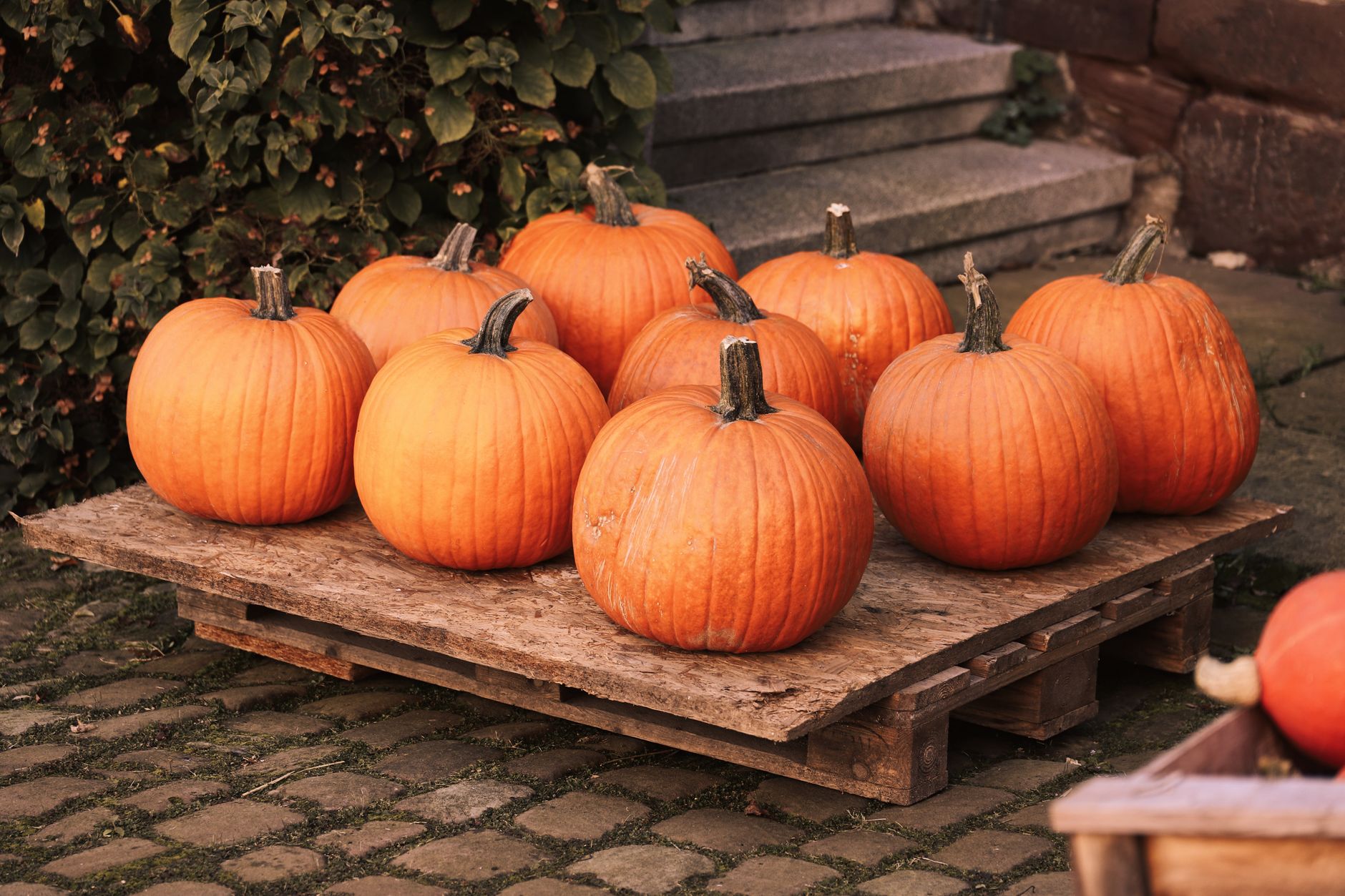
Learn the exact planting window for pumpkins by USDA zone, with variety-specific dates, soil temps, and tips for a successful harvest.
The best time to plant pumpkins is after the last frost date in your area, when soil temperatures reach at least 60°F (15°C), typically 2 to 4 weeks after the final spring frost. For most of the US, that means planting between late May and mid-June for a fall harvest, but the exact window depends on your growing zone and the variety’s days to maturity.
Know your last frost date and soil temperature
Pumpkins are warm-season crops that cannot tolerate frost. Seeds will rot in cold, wet soil, and seedlings are killed by even a light freeze. So the first step is to find your average last spring frost date. Use a local extension service or an online tool like the USDA Plant Hardiness Zone Map. Then, check soil temperature with a simple soil thermometer (about $10 to $15 at garden centers or online). Insert it 2 to 3 inches deep in the morning; if it reads at least 60°F, you are good to go.
If you plant too early, seeds may sit in the ground and rot. If you plant too late, the pumpkins may not mature before fall frosts. The goal is to have the fruit mature 2 to 3 weeks before your
 first fall frost, so count backward from that date using the variety’s “days to maturity.”
Planting windows by USDA zone
Here are typical planting windows for direct sowing (seeds in the ground) and transplanting (starting indoors). Adjust for your specific microclimate.
| USDA Zone | Last frost (approx.) | Direct sow window | Transplant window (start indoors 3-4 weeks before) |
|---|---|---|---|
| 3-4 | May 15 - June 1 | May 20 - June 10 | April 20 - May 10 |
| 5-6 | April 15 - May 1 | May 1 - May 20 | April 1 - April 20 |
| 7-8 | March 15 - April 1 | April 1 - April 20 | March 1 - March 20 |
| 9-10 | February 1 - March 1 | February 15 - March 15 | January 15 - February 15 |
For zones 9-10, you can also plant a second crop in late summer for a winter harvest, but be aware of heat stress and pests.
Choose the right variety for your season length
Pumpkin varieties range from 75 to 120 days to maturity. If you have a short growing season (zones 3-4), pick early maturing types. For longer seasons, you can grow huge show pumpkins.
| Variety | Days to maturity | Fruit size | Best for |
|---|---|---|---|
| ‘Sugar Pie’ | 100 | 6-8 lbs | Pies, baking |
| ‘Jack-O’-Lantern’ | 100-110 | 15-25 lbs | Carving |
| ‘Howden’ | 110 | 20-30 lbs | Carving, storage |
| ‘Baby Bear’ | 105 | 2-3 lbs | Mini pumpkins, roasting seeds |
| ‘Cinderella’ | 100 | 15-20 lbs | Decorative, cooking |
| ‘Atlantic Giant’ | 120 | 100+ lbs | Competitions |
If you are in a zone with a short season, choose ‘Sugar Pie’ or ‘Baby Bear’ and start seeds indoors to get a head start.
Step-by-step planting guide
-
Prepare the soil: Pumpkins need full sun (at least 6 hours) and rich, well-draining soil with a pH of 6.0 to 6.8. Work in 2 to 3 inches of compost or aged manure before planting. If your soil is heavy clay, consider raised beds or mounds.
-
Plant seeds directly: Sow seeds 1 inch deep, spacing them 2 to 3 feet apart in rows that are 6 to 8 feet apart. For hills (mounds), plant 3 to 4 seeds per hill, then thin to the strongest 2 plants once they have two sets of true leaves. This spacing allows vines to spread.
-
Water thoroughly: After planting, water the soil to keep it evenly moist but not soggy. Use a soaker hose or drip irrigation to avoid wetting the leaves, which can lead to mildew.
-
Mulch to retain moisture: Apply a 2 to 3 inch layer of straw or shredded leaves around the plants, but keep it a few inches away from the stems to prevent rot.
-
Fertilize at the right times: At planting, mix in a balanced fertilizer like 10-10-10 at the rate recommended on the bag (about 1 pound per 100 square feet). When vines start to run, side-dress with a high-nitrogen fertilizer (e.g., blood meal) to encourage vine growth. When flowers appear, switch to a high-phosphorus fertilizer (e.g., bone meal) to promote fruit set.
-
Protect from pests: Use row covers or floating row covers (about $15 to $20 for a 10-foot row) to keep out cucumber beetles and squash bugs until flowering. Remove covers when flowers open so bees can pollinate.
-
Harvest at the right time: Pumpkins are ready when the rind is hard (you cannot puncture it with a fingernail) and the stem is dry and corky. Cut the stem with pruning shears, leaving 3 to 4 inches attached. Cure in the sun for 7 to 10 days, then store in a cool, dry place (50-60°F) for up to 3 months.
Common mistakes to avoid
- Planting too early: Cold soil leads to rot. Wait until soil is 60°F.
- Overcrowding: Vines need space. If you plant too close, fruits will be small and disease spreads.
- Skipping pollination: If you see flowers but no fruit, hand-pollinate by transferring pollen from male to female flowers with a small brush.
- Watering overhead: Wet leaves invite powdery mildew. Water at the base.
FAQ
Can I plant pumpkins in July?
Yes, but only if you have a long growing season (zones 7 and warmer) and choose a short-season variety like ‘Sugar Pie’ (100 days). In cooler zones, planting in July risks immature fruit before frost.
How many pumpkins per plant?
Typically 2 to 5 pumpkins per plant, depending on the variety. Large varieties like ‘Atlantic Giant’ produce 1 to 2 fruits; smaller varieties produce more. Thin fruit to the best 2 or 3 for larger sizes.
Do pumpkins need full sun?
Yes, at least 6 to 8 hours of direct sun daily. Less sun results in fewer flowers and smaller fruit.
Can I start seeds indoors?
Yes, start seeds in peat pots 3 to 4 weeks before your last frost. Use a seed-starting mix, keep at 70-80°F, and provide bright light. Harden off seedlings for a week before transplanting.
The bottom line
The best time to plant pumpkins is after the last frost when soil is at least 60°F, which for most of the US is late May to mid-June. Match your variety to your growing season, prepare rich soil, and give vines plenty of space. With proper timing and care, you will have pumpkins ready for pies, carving, or fall decor. Check your local frost dates, and if in doubt, plant a little later rather than earlier; pumpkins are forgiving if you give them warmth and time.