Best time to go pumpkin picking
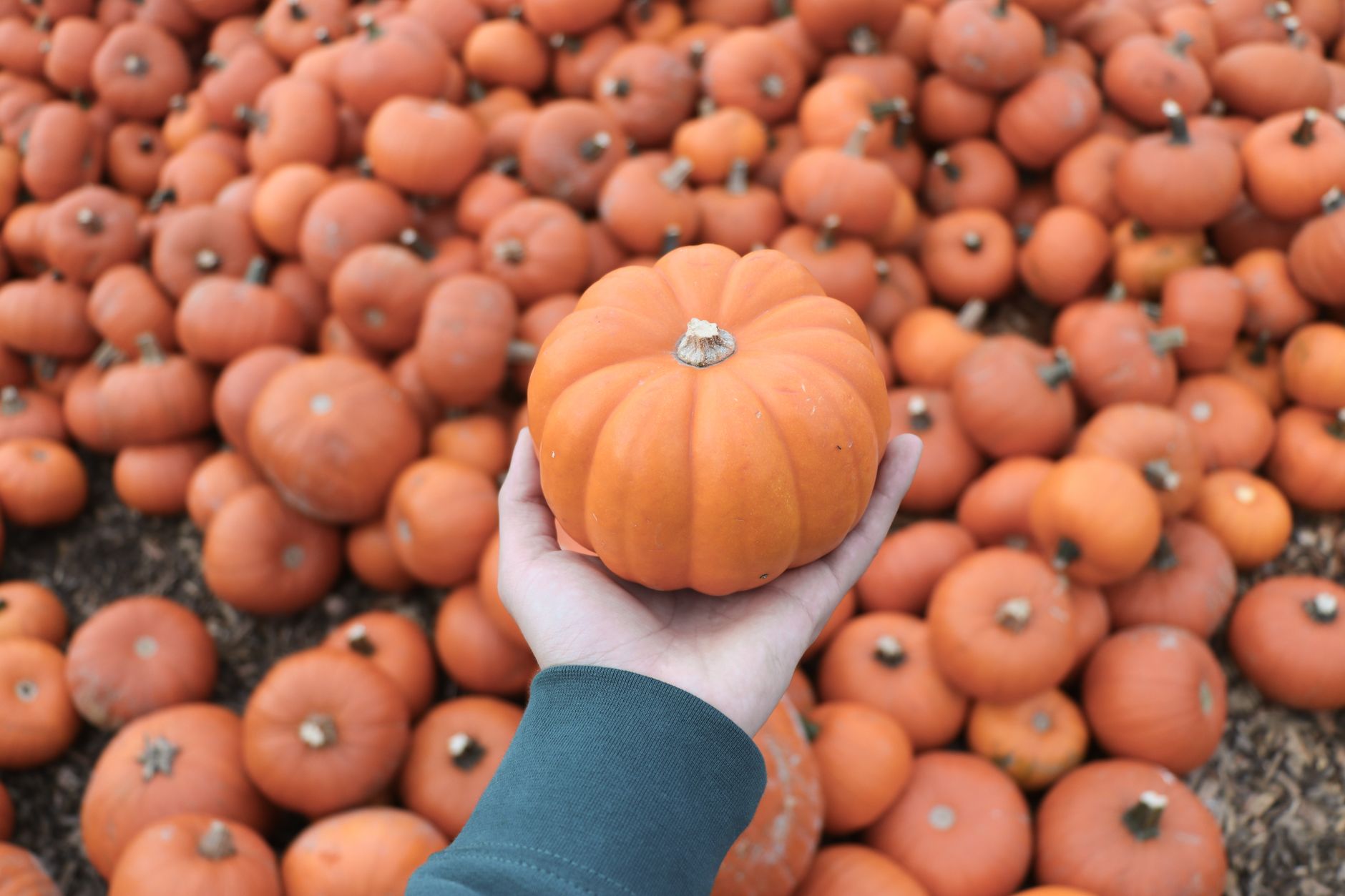
Learn the best time to go pumpkin picking for 2026, including regional dates, variety tips, and practical advice for a successful trip.
The best time to go pumpkin picking is from late September through mid-October, with peak conditions typically in the first two weeks of October. This window gives you the widest selection of mature pumpkins while avoiding the heaviest crowds and the risk of frost damage. For most of the United States, that means planning your visit between September 25 and October 15, but your exact timing depends on your region and what you plan to do with the pumpkins.
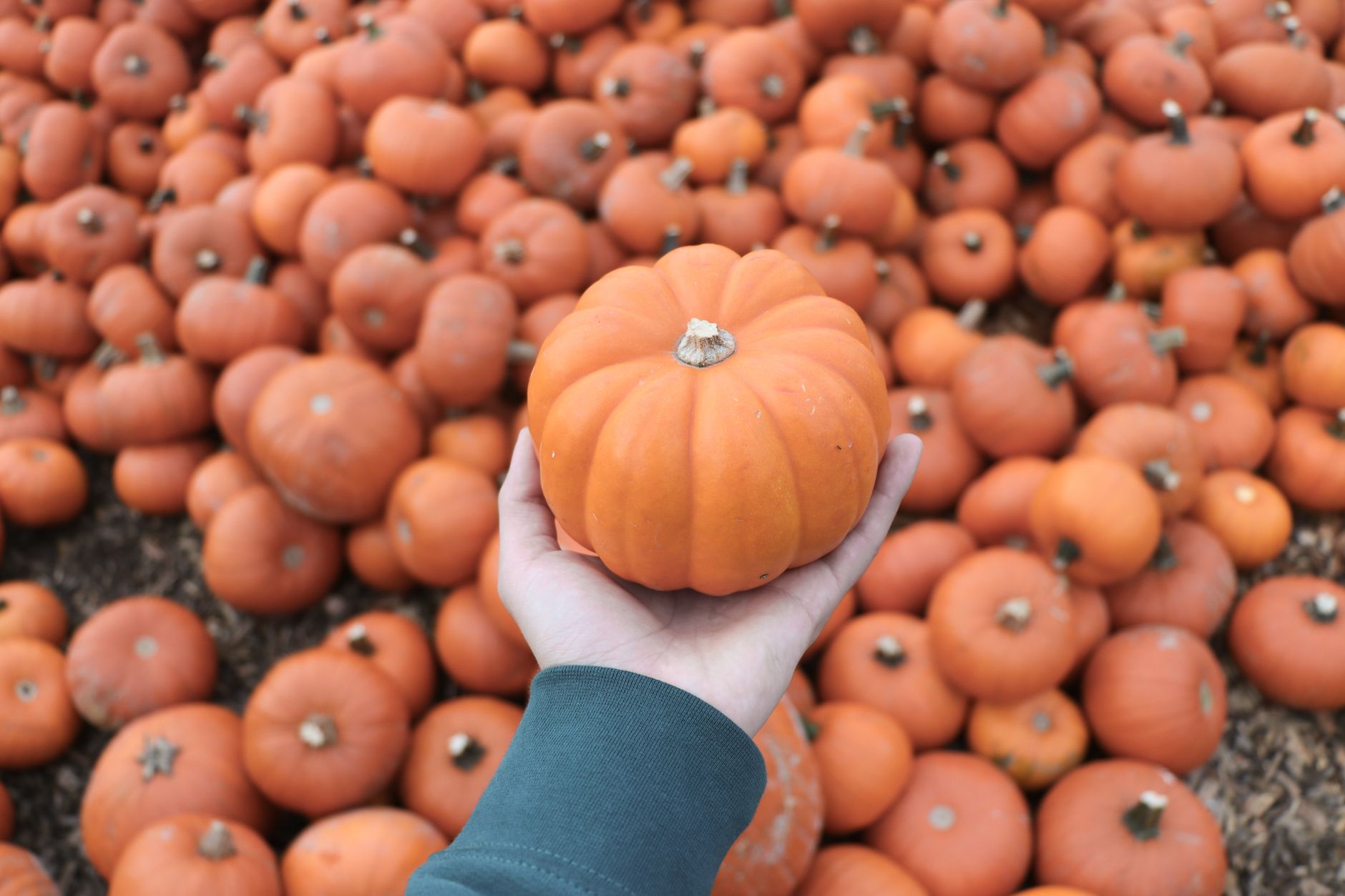
Why timing matters
Pumpkins need about 90 to 120 days from planting to maturity, depending on the variety. Most commercial pumpkin patches plant in late May or early June, so pumpkins are ready by late September. Picking too early means the pumpkins may not be fully colored or may not store well. Picking too late, especially after a hard frost, can lead to soft spots and rapid decay. For carving, you want a pumpkin that is fully mature but not overripe. For cook
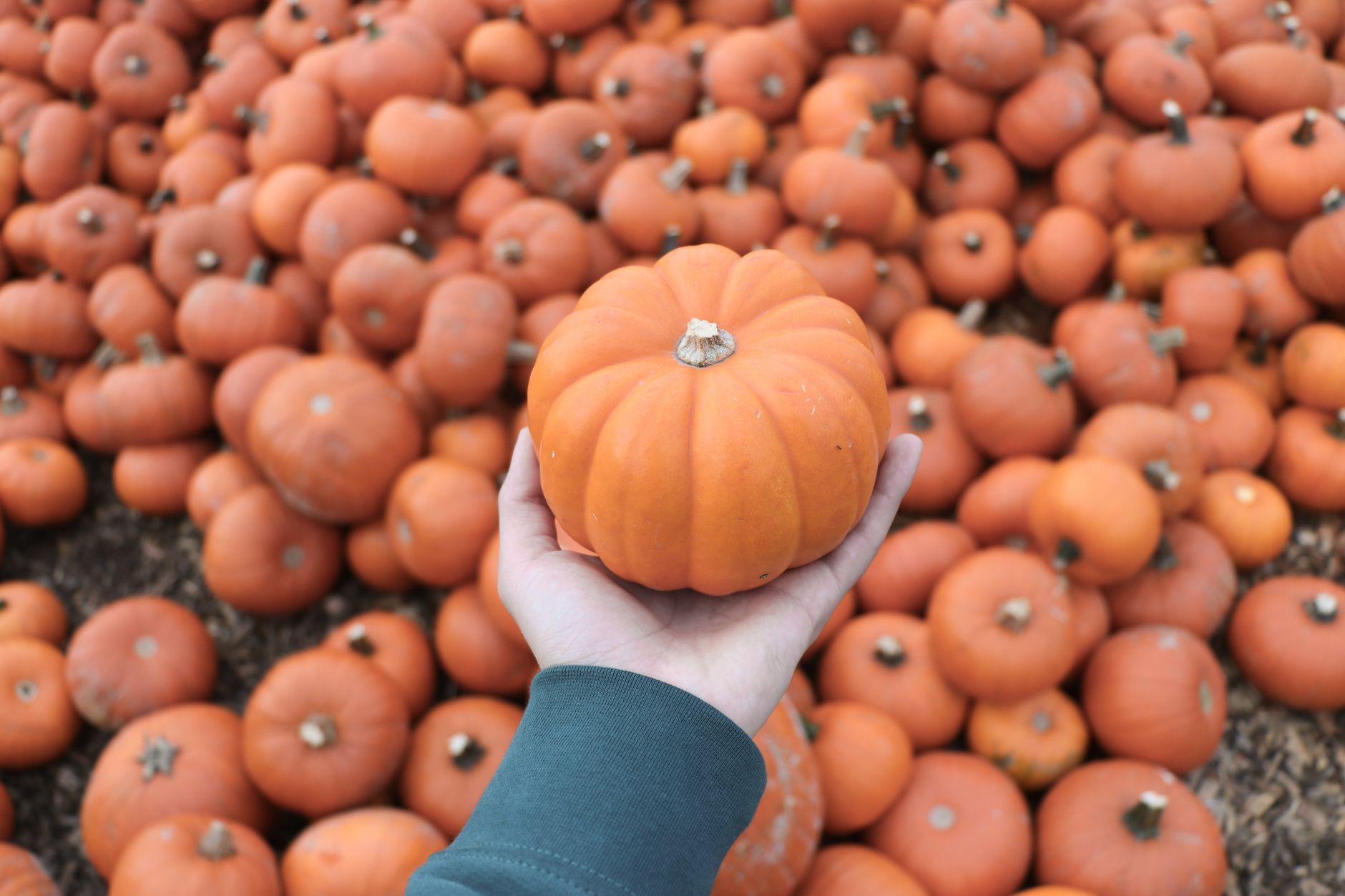 ing, you can pick a bit earlier, but flavor is best when the pumpkin has fully ripened on the vine.
Regional picking windows for 2026
Here are typical peak picking dates by USDA zone. These are based on average first frost dates and typical harvest schedules at local farms. Always call ahead to confirm, as weather can shift the season by a week or two.
| USDA Zone | Typical Peak Picking Window | Notes |
|---|---|---|
| Zone 3-4 (northern states) | September 20 to October 5 | Early frost risk; pick before hard freeze |
| Zone 5-6 (midwest, mid-atlantic) | September 25 to October 15 | Peak color and selection |
| Zone 7-8 (south, pacific northwest) | October 1 to October 20 | Warmer fall; pumpkins may hold longer |
| Zone 9-10 (southwest, deep south) | October 10 to October 31 | Later season; avoid heat stress |
If you are in a warmer zone, you can often pick into early November, but quality declines after the first week of November. For the best balance of selection, weather, and storage life, aim for the first two weeks of October.
Choosing the right pumpkin for your purpose
Not all pumpkins are the same. The best time to pick also depends on what you need. Here are common types and their ideal picking windows:
- Carving pumpkins: Varieties like ‘Howden’ or ‘Connecticut Field’ are ready when the rind is hard and the stem is dry and brown. Pick in early October for the longest shelf life.
- Pie pumpkins: ‘Sugar Pie’ or ‘New England Pie’ are smaller and sweeter. They can be picked slightly earlier, in late September, but flavor improves with full maturity.
- Giant pumpkins: ‘Atlantic Giant’ needs a long season, often 120 days. Pick in mid-October, but handle with care because they bruise easily.
- Decorative pumpkins: Varieties like ‘Jack-o’-Lantern’ or ‘Cinderella’ are best picked in mid-October when the color is deep and uniform.
When you pick, leave at least 3 inches of stem on the pumpkin. A broken stem shortens storage life. Also, avoid picking pumpkins with soft spots, cuts, or a dull, flat color. A mature pumpkin has a hard rind that resists a fingernail scratch.
Practical tips for your pumpkin picking trip
Here is what to do this week to make the most of your trip:
- Call the farm first: Ask about their crop status and picking conditions. Some farms allow you to pick directly from the vine; others pre-pick. Confirm the varieties available.
- Go on a weekday: Weekends in early October are crowded. A Tuesday or Wednesday morning gives you better access and more time to choose.
- Bring the right tools: You do not need much, but a sharp knife or pruning shears helps cut the stem cleanly. Wear gloves if you are handling many pumpkins.
- Check the weather: A dry day is best. Wet fields can be muddy, and rain can make pumpkins slippery and harder to inspect.
- Inspect each pumpkin: Look for a hard rind, a dry stem, and no cracks. Turn it over to check the bottom for soft spots.
If you are going with kids, set expectations: they may pick small pumpkins that are not ideal for carving. That is fine, but for carving, choose a separate pumpkin yourself.
Storing your pumpkins after picking
Once you pick, curing your pumpkins extends their life. Keep them in a warm, dry place (70-80°F) for 10 days, then store in a cool, dry spot (50-60°F). Do not stack them; place them on a single layer with space between. With proper curing, a healthy pumpkin can last 2 to 3 months. Avoid storing in a damp basement or near ripening fruit, as ethylene gas can speed decay.
If you are picking for cooking, you can process the pulp immediately. Roast or steam the pumpkin, puree, and freeze in quart bags. That way, you do not have to worry about storage.
Cost expectations for 2026
Pumpkin prices vary widely by region and farm. In 2026, expect to pay:
- U-pick pumpkins: $0.50 to $1.00 per pound, with a typical small carving pumpkin (10-15 lbs) costing $5 to $15.
- Pre-picked pumpkins: $0.60 to $1.50 per pound, or a flat rate of $10 to $20 for a medium pumpkin.
- Giant pumpkins: $50 to $200 or more, depending on size and rarity.
Some farms charge an entry fee (often $5 to $15 per person) that includes activities like hayrides or corn mazes. Factor that into your budget.
Frequently asked questions
Can I go pumpkin picking in November?
In most regions, November is too late. By late October, most farms have picked their pumpkins, and the remaining ones are often soft or frost-damaged. In warmer zones (9-10), you might find pumpkins into early November, but quality is lower. For the best experience, plan for early to mid-October.
How do I know if a pumpkin is ripe?
A ripe pumpkin has a hard rind that you cannot easily scratch with your fingernail. The stem should be dry and brown, not green. The color should be uniform for the variety. If you tap it, it sounds hollow. Avoid pumpkins with soft spots or a dull, flat color.
What is the best time of day to go pumpkin picking?
Morning is best, right after the farm opens. The fields are less crowded, and you have the first pick of the day. Also, morning light makes it easier to see the true color of the pumpkins. Afternoon can be hot, and pumpkins may be warm to the touch, but that does not affect quality.
Should I pick my own pumpkin or buy pre-picked?
U-pick gives you the freshest pumpkin and the experience, but it takes time. Pre-picked pumpkins are convenient and often cheaper per pound. If you want a specific size or shape for carving, pre-picked lets you choose from a large selection. For storage, u-pick is better because the pumpkin has not been sitting in a bin.
The bottom line
The best time to go pumpkin picking is late September to mid-October, with the first two weeks of October being the sweet spot for most of the country. Check your local farm’s schedule, go on a weekday morning, and pick pumpkins that are fully mature with a hard rind and dry stem. With proper curing, your pumpkins will last through Halloween and beyond. Whether you are carving, cooking, or decorating, timing your trip right ensures you get the best quality and value for your money.