Best farm stays
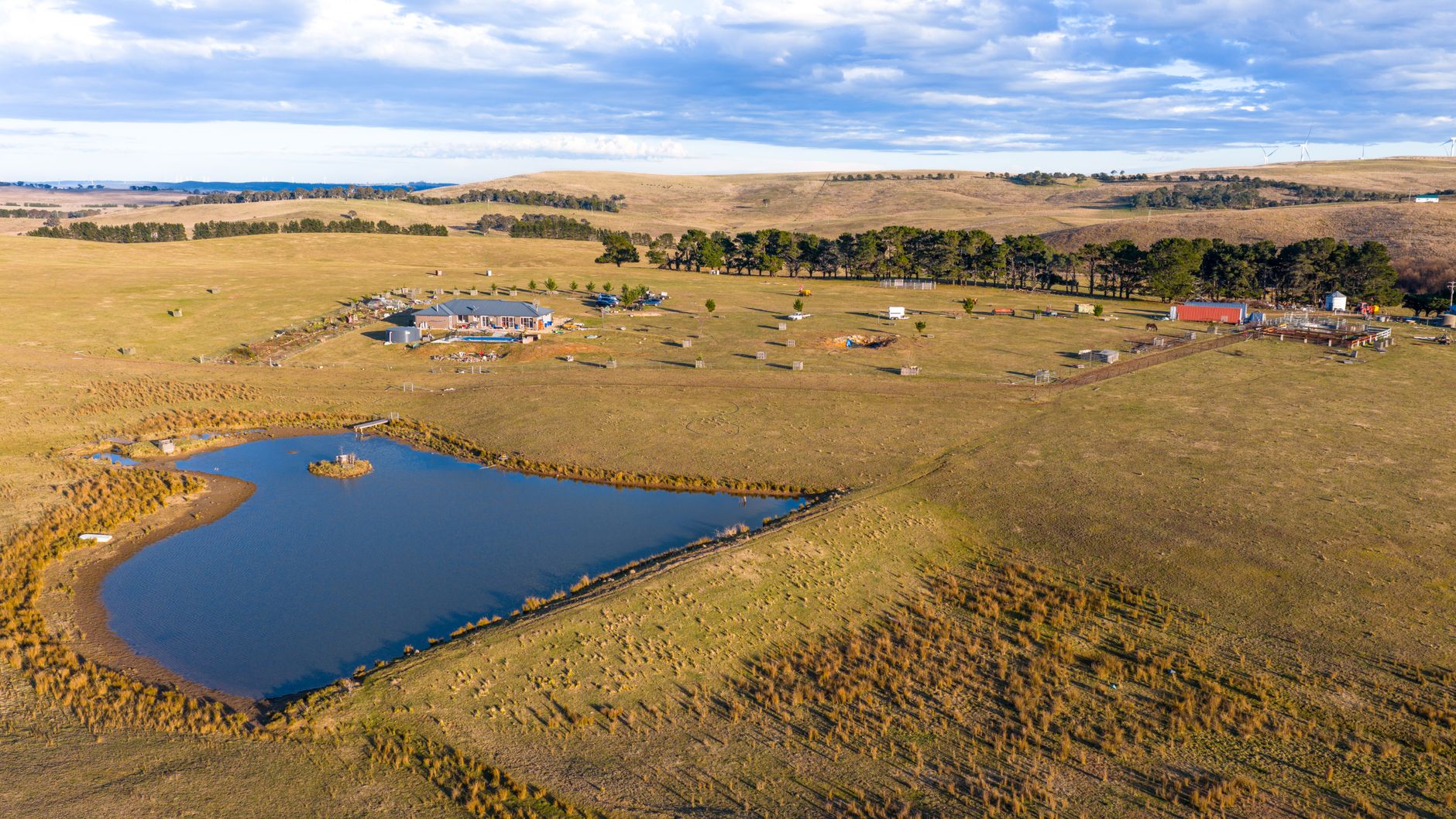
Find the best farm stays for 2026: what to look for, top regions, booking tips, and realistic costs. A practical guide for gardeners and homesteaders.
The best farm stays let you live the rhythm of a working farm for a few days: morning chores, fresh eggs, and honest dirt under your nails. But not all farm stays are equal, and the right one depends on what you want to learn, your budget, and your tolerance for early alarms. Here is how to pick a great one, where to find them, and what to expect to pay in 2026.
What makes a farm stay great
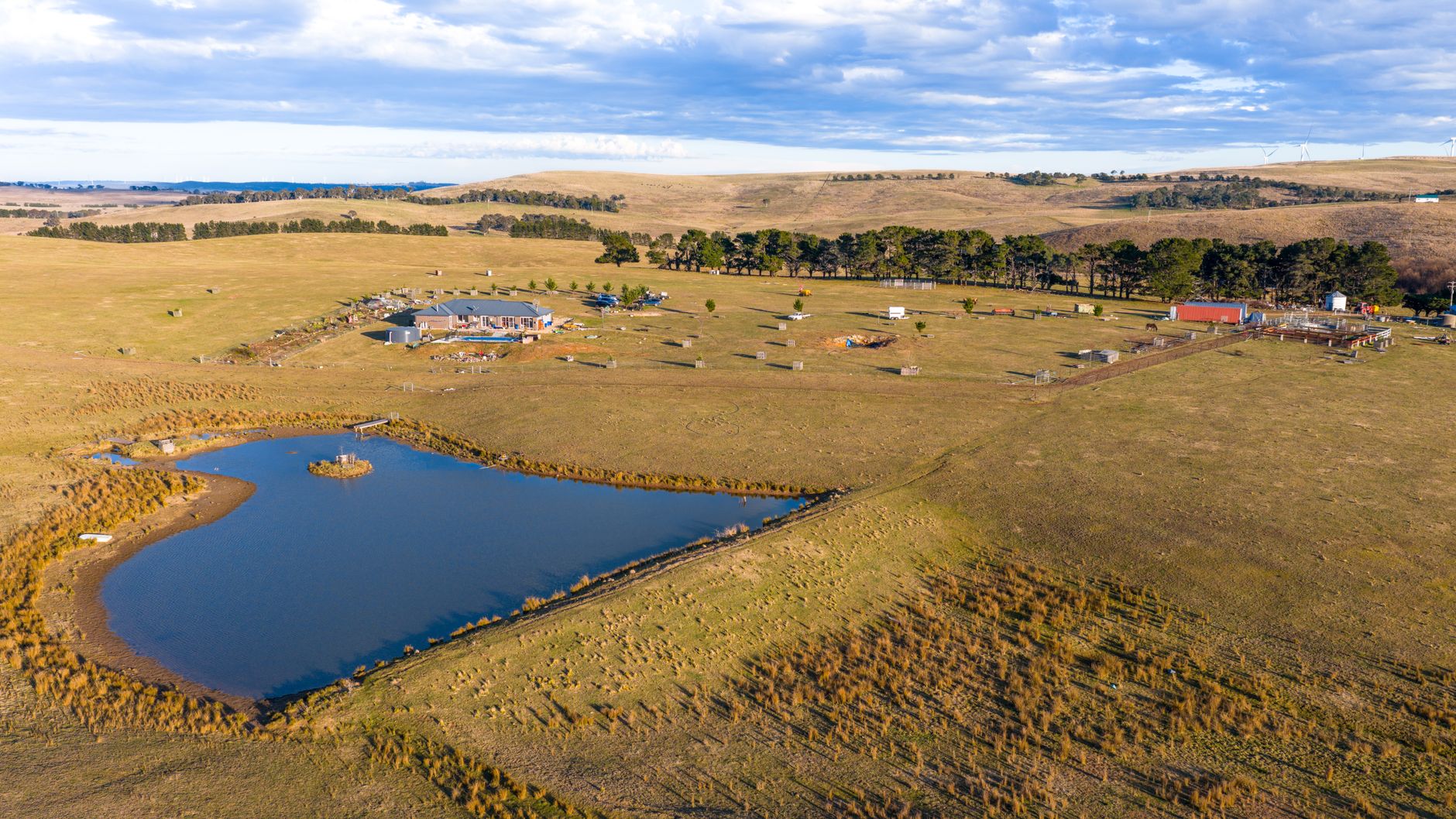
A great farm stay is not a hotel with a barn. It is a working farm that invites you into daily life. Look for hosts who actually farm, not just rent rooms with a rustic theme. Ask if you can join chores: feeding animals, collecting eggs, weeding, or milking. The best hosts are teachers, not just innkeepers.
Check the farm’s focus. A vegetable farm will teach you soil and succession planting. A livestock farm will show you rotational grazing and animal health. A diversified farm gives you a bit of everything. Match the farm to your interests. If you want to learn about no-till gardening, a flower farm that uses tarps might be more useful than a cattle ranch.
Also consider the work-to-rest balance. Some farm stays expect a few hours of help a day in exchange for lodging. Others are purely paid stays with optional activities. Know the arrangement before you book. A go
 od listing will state the expectation clearly. If it does not, ask.
Top regions for farm stays in 2026
The best farm stays cluster where agriculture is diverse and tourism is established. In the US, the Northeast, the Pacific Northwest, and the Upper Midwest have strong networks. The Hudson Valley in New York, the Willamette Valley in Oregon, and the Driftless Area in Wisconsin are hotspots. In Europe, Tuscany, Provence, and the Cotswolds are classic, but they are pricier and often more polished. For a raw experience, look at the Balkans or rural Ireland.
Within the US, state agricultural departments and local tourism boards often list farm stays. The American Farm Stay Association (now part of Farm Stay US) has a searchable directory. Also check Worldpackers and Workaway for work-exchange options, but read reviews carefully. For paid stays, Airbnb now has a farm stay category, but vet the listings: many are just houses on farmland, not working farms.
How to choose the right farm stay for you
Start with your goals. Are you scouting for your own homestead? Then pick a farm that matches your target climate and scale. If you want to learn specific skills, ask the host if they can teach them. For example, if you want to learn to milk goats, find a dairy goat farm that allows hands-on milking.
Next, set your budget. In 2026, paid farm stays range from $75 to $250 per night, depending on location, amenities, and whether meals are included. Work-exchange stays are free or low-cost, but you typically work 4 to 6 hours a day. Some farms offer discounts for longer stays: a week might cost 15% less per night than a weekend.
Read recent reviews, not just the overall rating. Look for comments about the host’s teaching style, the cleanliness of the accommodation, and the actual work involved. A farm that looks idyllic in photos might have cramped quarters or a host who is too busy to talk. If possible, call the host before booking. A 10-minute phone call tells you more than 50 reviews.
What to expect during your stay
Expect to wake early. Chores often start at 7 am. You will get your hands dirty, and you should bring clothes you do not mind ruining. Most farms provide gloves and boots, but check ahead. You will also need to be flexible: farm work changes with weather and season, so your planned activity might shift.
Meals vary. Some farm stays include all meals, often family style. Others have a kitchen for you to cook. If you have dietary restrictions, tell the host in advance. A farm that grows its own food will likely offer produce from the garden, but do not assume it is organic unless stated.
Accommodations range from a spare room in the farmhouse to a rustic cabin or a yurt. In 2026, expect basic but clean. Wi-Fi may be spotty, and that is often the point. But if you need to work remotely, ask about connectivity before you book.
Realistic costs and booking tips for 2026
Here are realistic price ranges for different types of farm stays in 2026:
| Type | Price per night | What you get |
|---|---|---|
| Paid stay, basic room | $75 - $120 | Lodging, maybe breakfast, access to farm grounds |
| Paid stay, with meals | $120 - $200 | Lodging, all meals, often a workshop or tour |
| Premium stay (e.g., glamping) | $200 - $250 | Lodging in a yurt or cottage, meals, curated activities |
| Work exchange | Free or $10 - $20 | Lodging and sometimes meals, in exchange for 4-6 hours of work per day |
To book, start early. Popular farm stays fill up 3 to 6 months ahead for summer. For last-minute trips, look for farms that are less established or in less touristy areas. Also consider shoulder seasons: spring and fall are often just as beautiful and less crowded.
Use the search filters on Farm Stay US or Worldpackers. On Airbnb, filter by “farm stay” and then message the host with specific questions: How many acres? What animals? What chores? How many guests? What is the cancellation policy? A host who answers promptly and thoroughly is a good sign.
FAQ
Do I need farming experience to book a farm stay? No. Most hosts welcome beginners and will teach you the basics. Just be honest about your experience level when you book.
Can I bring my children? Many farm stays are family friendly, but not all. Some farms have safety concerns with small kids around large animals or machinery. Always ask about age limits and child-friendly activities.
What should I pack? Bring sturdy shoes, work gloves (though many farms provide them), layers for changing weather, a water bottle, and a notebook if you want to record what you learn. Also pack a headlamp for early mornings or late-night animal checks.
Are farm stays good for learning specific skills like canning or cheese making? Yes, but you need to find a farm that offers those workshops. Many farms host seasonal classes. Ask the host if they can arrange a private lesson, often for an extra fee of $25 to $50.
The bottom line
The best farm stay is the one that matches your goals, budget, and comfort level. Do your homework: read reviews, call the host, and ask pointed questions. Expect to work, learn, and leave with a deeper respect for where your food comes from. In 2026, a good farm stay costs between $75 and $250 a night, or free if you are willing to trade labor. Book early, pack for dirt, and you will come home with skills and stories that no hotel can offer.