Best days to plant below ground crops
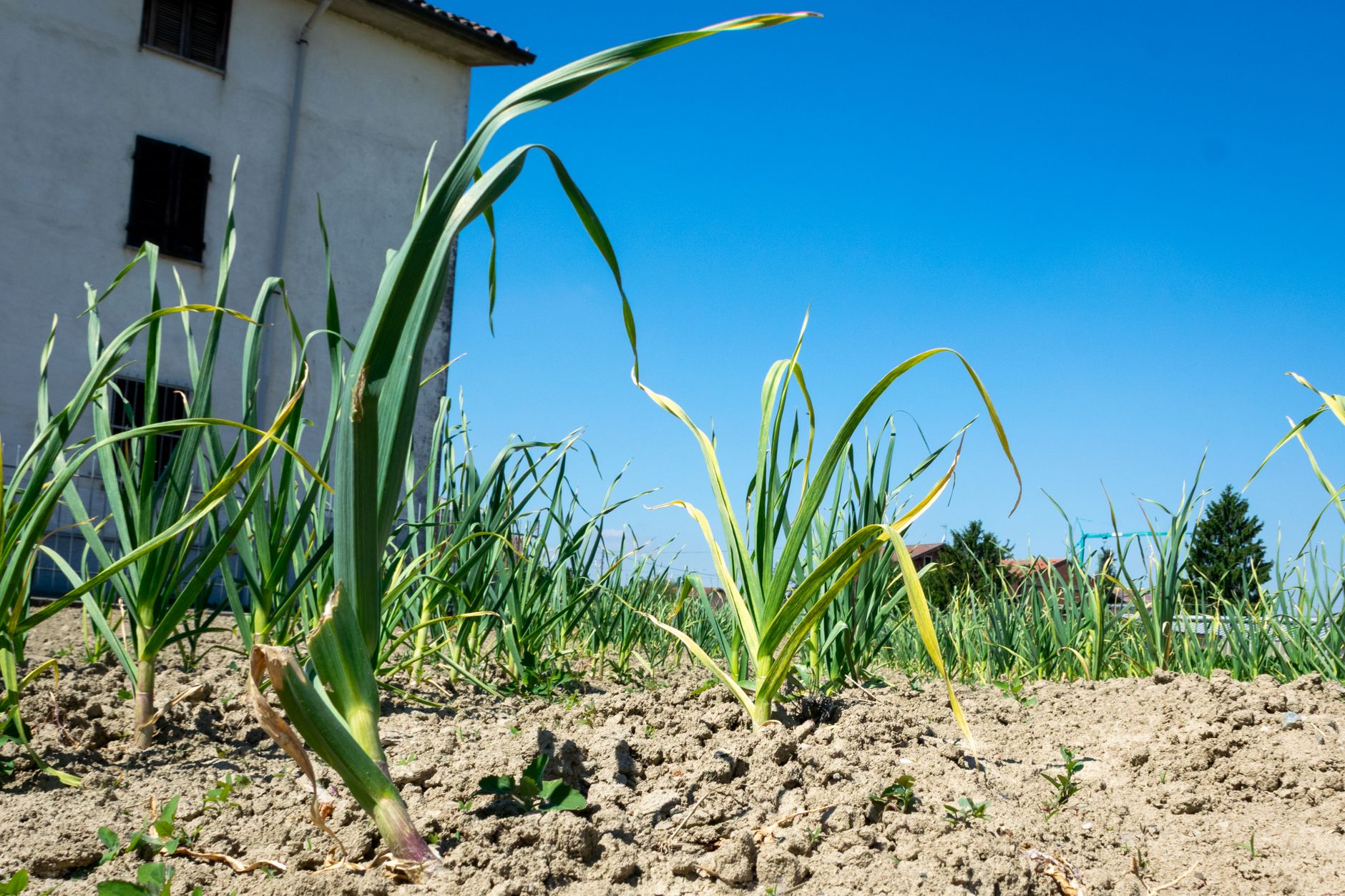
Learn the best planting dates for root crops by USDA zone, with tips on soil temperature, moon phases, and varieties for a successful harvest.
The best days to plant below ground crops depend on your USDA zone and soil temperature, not the moon. For most root crops, plant when soil reaches 45-50°F for cool-season crops and 60-65°F for warm-season ones. In Zone 5, that means late March to early April for carrots and beets, and late May for potatoes. Check your soil with a thermometer, and use the moon phase only as a secondary guide if you like tradition.
Why soil temperature matters more than the calendar
Root crops like carrots, beets, and radishes germinate best when soil is consistently within a specific range. If the soil is too cold, seeds rot; too hot, they may bolt or become woody. Soil temperature is the sin
 gle best predictor of success. Use a soil thermometer (about $10-$15) to check at 2 inches deep in the morning.
Planting windows by USDA zone
Here are realistic planting windows for common below ground crops. Adjust for your local microclimate: south-facing slopes warm earlier, and heavy clay stays cold longer.
| Crop | Zone 3-4 | Zone 5-6 | Zone 7-8 | Zone 9-10 |
|---|---|---|---|---|
| Carrots | April-May | March-April | Feb-March | Jan-Feb |
| Beets | April-May | March-April | Feb-March | Jan-Feb |
| Radishes | April-Sept | March-Oct | Feb-Nov | Year-round |
| Potatoes | May-June | April-May | March-April | Feb-March |
| Onions (sets) | April-May | March-April | Feb-March | Jan-Feb |
| Turnips | April-Aug | March-Sept | Feb-Oct | Jan-Nov |
For fall crops, plant 8-10 weeks before your first frost date. For example, in Zone 6, first frost is around Oct 15, so plant fall carrots by Aug 1.
Moon phases: myth or method?
Some gardeners swear by planting root crops during the waning moon (from full to new). The idea is that the moon’s gravitational pull affects soil moisture, and root growth is favored when the moon is waning. While there is no scientific proof, it doesn’t hurt. If you want to try it, plant below ground crops in the waning moon phase, and above ground crops in the waxing phase. For 2026, waning moon periods include Jan 1-13, Jan 30-Feb 11, Feb 28-Mar 12, etc. But remember: soil temperature and moisture are far more important.
Soil preparation for root crops
Root crops need loose, well-drained soil without rocks or clods. Heavy clay or compacted soil will cause forked or stunted roots. Before planting, loosen the soil to 12 inches deep and remove any stones. Add 2-3 inches of compost, but avoid fresh manure, which can cause hairy roots. Work in a balanced fertilizer like 10-10-10 at 1 pound per 100 square feet, or use an organic option like bone meal.
Step-by-step planting guide
- Check soil temperature with a thermometer at 2 inches deep. For cool-season crops, wait until it’s at least 45°F.
- Prepare the bed by tilling or digging to 12 inches, removing rocks and debris.
- Sow seeds at the right depth: carrots and radishes at 1/4 inch, beets at 1/2 inch, turnips at 1/2 inch. Potatoes go 4 inches deep.
- Space properly: carrots 2-3 inches apart, beets 3-4 inches, radishes 1-2 inches, potatoes 12 inches apart in rows 30 inches apart.
- Water gently after planting to settle the soil, but avoid waterlogging.
- Thin seedlings when they are 2 inches tall to the recommended spacing. This is critical for carrots and beets.
- Mulch lightly with straw or shredded leaves to retain moisture and keep soil cool.
Best varieties for reliable harvests
Choose varieties known for good germination and flavor in your region. Here are proven options:
- Carrots: ‘Nantes’ (sweet, cylindrical), ‘Danvers’ (sturdy, good for heavy soil), ‘Purple Haze’ (fun color).
- Beets: ‘Detroit Dark Red’ (classic), ‘Golden’ (mild, yellow), ‘Chioggia’ (striped).
- Radishes: ‘Cherry Belle’ (fast, 22 days), ‘French Breakfast’ (mild, elongated), ‘Daikon’ (for fall).
- Potatoes: ‘Yukon Gold’ (buttery), ‘Red Norland’ (early), ‘Kennebec’ (all-purpose).
- Onions: ‘Yellow Sweet Spanish’ (long day), ‘Red Burgermaster’ (storage), ‘White Bermuda’ (short day for South).
Common mistakes and how to avoid them
- Planting too early: Cold, wet soil leads to rot. Wait until soil reaches the minimum temperature.
- Skipping thinning: Crowded roots are small and misshapen. Thin to the recommended spacing.
- Overwatering: Root crops need consistent moisture, but soggy soil causes disease. Water deeply once a week if rain is scarce.
- Ignoring pests: Carrot rust flies and root maggots can ruin crops. Use floating row covers in early spring and fall.
FAQ
Q: Can I plant root crops in containers? A: Yes, but choose deep containers (at least 12 inches for carrots) and use loose potting mix. Varieties like ‘Paris Market’ carrots are ideal.
Q: What if I miss the spring planting window? A: Many root crops can be planted for a fall harvest. In most zones, plant 8-10 weeks before first frost. Fall crops often taste sweeter after cool weather.
Q: Do I need to rotate root crops? A: Yes, rotate to prevent soil-borne diseases and pests. Wait 3 years before planting the same family in the same spot.
Q: How long do root crops take to mature? A: Radishes 22-30 days, carrots 60-80 days, beets 55-70 days, potatoes 90-120 days, onions 100-120 days.
The bottom line
The best days to plant below ground crops are determined by soil temperature, not the calendar or moon. Use a soil thermometer, prepare loose soil, and plant within the windows for your zone. Choose reliable varieties, thin properly, and you’ll have a solid harvest. For 2026, mark your calendar for late March in Zone 5, and adjust for your area. Happy planting.