Best days for planting
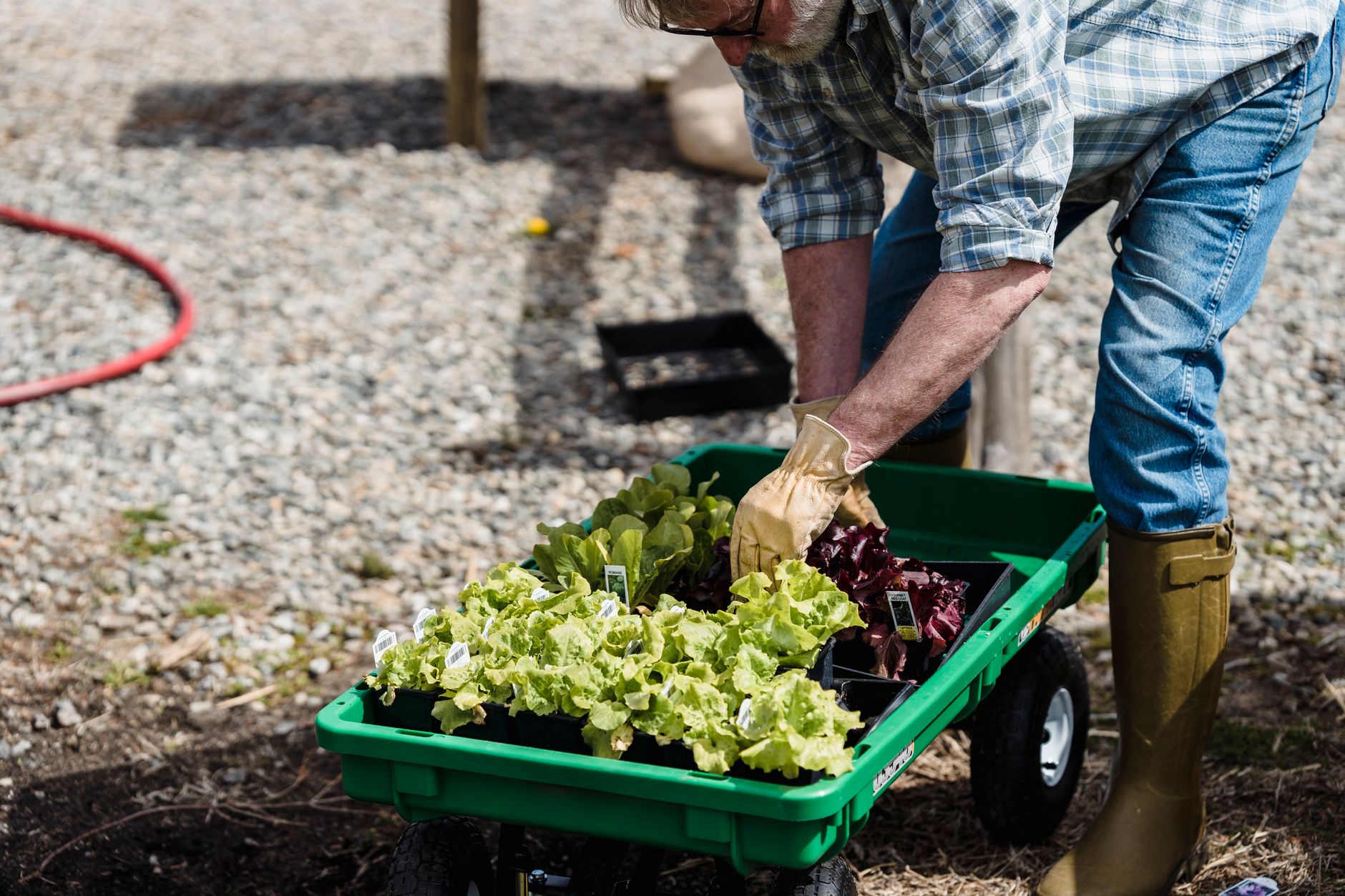
Learn the best days to plant by USDA zone, moon phase, and soil temperature. Get real dates, varieties, and tools for 2026.
The best days for planting depend on your USDA hardiness zone, the crop, and soil temperature, not the moon. For most vegetables, plant after the last frost date when soil reaches 50-60°F for cool crops and 65-75°F for warm crops. In 2026, use your zone’s average last frost date as a baseline, then check soil temperature with a probe. This guide gives you exact dates, varieties, and steps to plant with confidence this week.
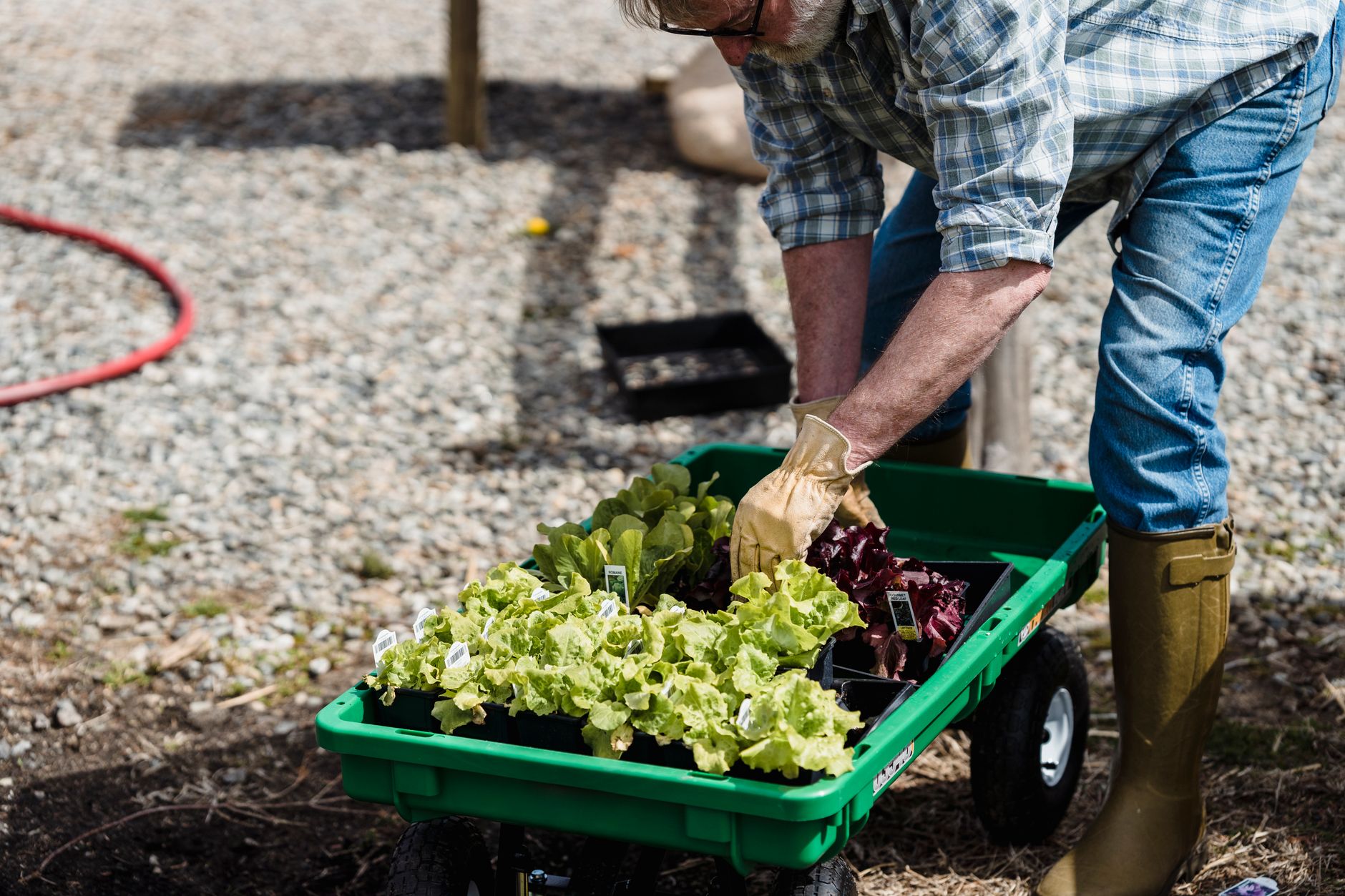
Know your zone and last frost date
Your USDA zone determines your growing window. Find your zone at planthardiness.ars.usda.gov. For 2026, here are average last frost dates by zone (approximate, adjust for local microclimate):
| Zone | Last frost date | First frost date | Growing days |
|---|---|---|---|
| 3 | May 15-30 | Sep 15-30 | 100-120 |
| 4 | May 1-15 | Oct 1-15 | 120-140 |
| 5 | Apr 15-May 1 | Oct 15-30 | 140-160 |
| 6 | Apr 1-15 | Oct 30-Nov 15 | 160-180 |
| 7 | Mar 15-Apr 1 | Nov 15-30 | 180-200 |
| 8 | Feb 15-Mar 1 | Dec 1-15 | 200-220 |
| 9 | Jan 15-Feb 1 | Dec 15-30 | 220-240 |
For example, in Zone 6 (like Kansas City), last frost is around April 10. Plant cool crops like let
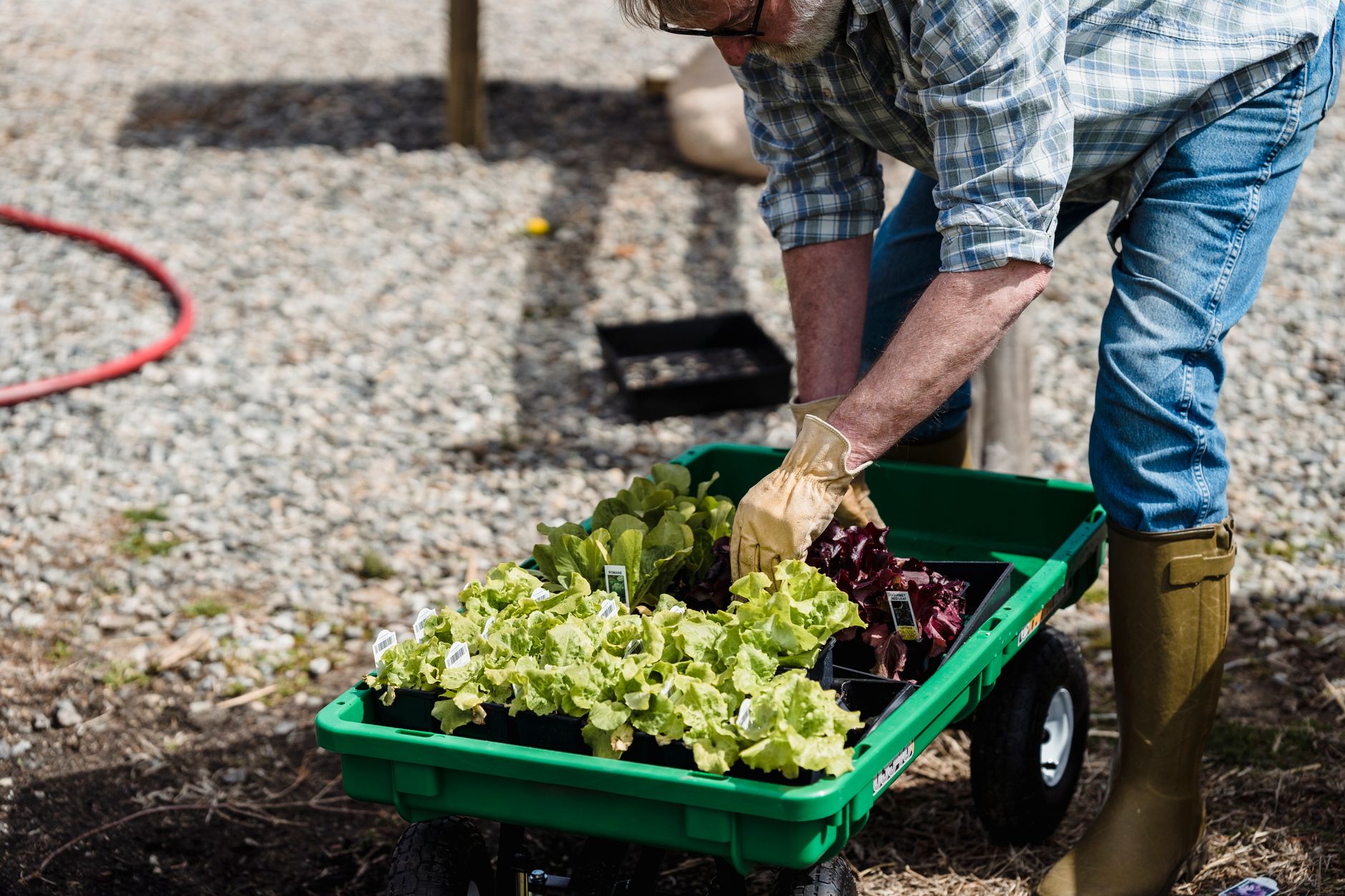 tuce and peas in late March, warm crops like tomatoes and peppers after April 20.
Soil temperature: the real best day
Soil temperature matters more than the calendar. Seeds germinate when soil is warm enough. Use a soil thermometer ($10-$15 at garden centers) to check at 2 inches deep, in the morning. Here are target soil temperatures for common crops:
| Crop | Min soil temp (°F) | Optimal range (°F) |
|---|---|---|
| Lettuce | 40 | 60-65 |
| Peas | 40 | 60-65 |
| Carrots | 40 | 60-65 |
| Beans | 60 | 70-80 |
| Corn | 50 | 65-75 |
| Tomatoes | 60 | 70-75 |
| Peppers | 65 | 70-80 |
| Squash | 60 | 70-80 |
If soil is too cold, seeds rot. For example, planting beans when soil is 50°F leads to poor germination. Wait until it hits 60°F, even if the calendar says it’s safe.
Moon phase planting: does it work?
Some gardeners swear by planting by the moon: above-ground crops during the waxing moon, below-ground crops during the waning moon. The idea is that lunar gravity affects soil moisture. But research shows no consistent yield benefit. In 2026, if you want to try it, here are the moon phases:
- New moon: March 10, April 8, May 7 (good for leafy greens, according to tradition)
- First quarter: March 17, April 15, May 14 (good for fruiting crops)
- Full moon: March 25, April 23, May 23 (good for root crops, but many gardeners avoid planting on full moon)
- Last quarter: April 1, April 30, May 30 (good for harvesting, weeding)
My advice: use moon phases as a reminder, not a rule. Soil temperature and frost dates are more reliable. If you plant on a “bad” moon day but soil is right, you’ll be fine.
Best days for planting in 2026 by crop group
Here are specific best planting windows for 2026, based on average frost dates and soil warming. Adjust for your zone.
Cool-season crops (plant early)
- Peas: Plant 4-6 weeks before last frost, as soon as soil is workable. In Zone 6, that’s March 1-15. Varieties: ‘Sugar Snap’, ‘Wando’ (heat-tolerant).
- Lettuce: Plant 2-4 weeks before last frost. Zone 6: March 15-April 1. Varieties: ‘Black Seeded Simpson’, ‘Romaine’.
- Carrots: Plant 3-5 weeks before last frost. Zone 6: March 10-20. Varieties: ‘Danvers 126’, ‘Nantes’.
- Broccoli: Plant transplants 2-3 weeks before last frost. Zone 6: March 25-April 5. Varieties: ‘Calabrese’, ‘Green Magic’.
Warm-season crops (plant after frost)
- Tomatoes: Plant transplants after last frost, when soil is 60°F. Zone 6: April 20-May 10. Varieties: ‘Early Girl’ (early), ‘Celebrity’ (dependable).
- Peppers: Plant after soil hits 65°F. Zone 6: May 1-15. Varieties: ‘California Wonder’, ‘Jalapeño’.
- Beans: Direct sow after last frost, soil 60°F. Zone 6: April 25-May 15. Varieties: ‘Provider’ (bush), ‘Kentucky Wonder’ (pole).
- Squash: Plant after last frost, soil 65°F. Zone 6: May 10-20. Varieties: ‘Yellow Crookneck’, ‘Zucchini’.
Root crops (plant in late summer for fall)
- Beets: Plant 8-10 weeks before first frost. Zone 6: August 1-15. Varieties: ‘Detroit Dark Red’, ‘Golden’.
- Turnips: Plant 6-8 weeks before first frost. Zone 6: August 15-30. Varieties: ‘Purple Top White Globe’.
Tools to find your best days
Use these tools to pinpoint your best planting days:
- Soil thermometer: $10-$15, available at any garden center. Check at 2 inches deep.
- Frost date calculator: Use the National Gardening Association’s tool at garden.org/frost-dates. Enter your zip code for exact dates.
- Garden planner app: Planter or Gardenize (free versions) send reminders based on your zone.
- Almanac: The Old Farmer’s Almanac (2026 edition, $8-$10) gives planting days by region, but cross-check with soil temp.
Steps to plant this week
- Check your zone and last frost date. Write it on a calendar.
- Take soil temperature every morning for three days. If it’s consistently at the target, plant.
- Prepare beds: loosen soil to 6-8 inches, add compost (1-2 inches) if needed.
- Plant seeds at the depth listed on the packet. For example, beans at 1 inch deep, 2-4 inches apart.
- Water gently and keep soil moist but not soggy.
- Record your planting dates in a journal. Note weather and results. This becomes your personal best-day guide for next year.
FAQ
Does planting on a full moon really matter?
No scientific evidence shows a yield difference. Soil temperature and moisture are far more important. If you want to follow tradition, plant above-ground crops during the waxing moon, but don’t stress about it.
What if I plant too early?
Seeds may rot in cold, wet soil. You can replant if germination fails. For transplants, frost can kill them. Use row covers or wait for the soil to warm.
Can I plant in the evening instead of morning?
Yes, evening planting is fine, especially in hot weather. Just water well after planting to reduce transplant shock.
How do I know my soil temperature without a thermometer?
Use the “barefoot test”: if the soil feels warm to your bare feet, it’s about 65°F. But a thermometer is more accurate. It’s a small investment.
The bottom line
The best days for planting are when soil temperature is right and frost risk is low. Use your zone’s frost dates as a guide, check soil temperature, and plant accordingly. Moon phases are optional. In 2026, start with cool crops in early spring, warm crops after last frost, and fall crops in late summer. Keep records, and you’ll learn your property’s unique microclimate. Plant on the days that work for you, and you’ll get a good harvest.