Best days for planting farmers almanac
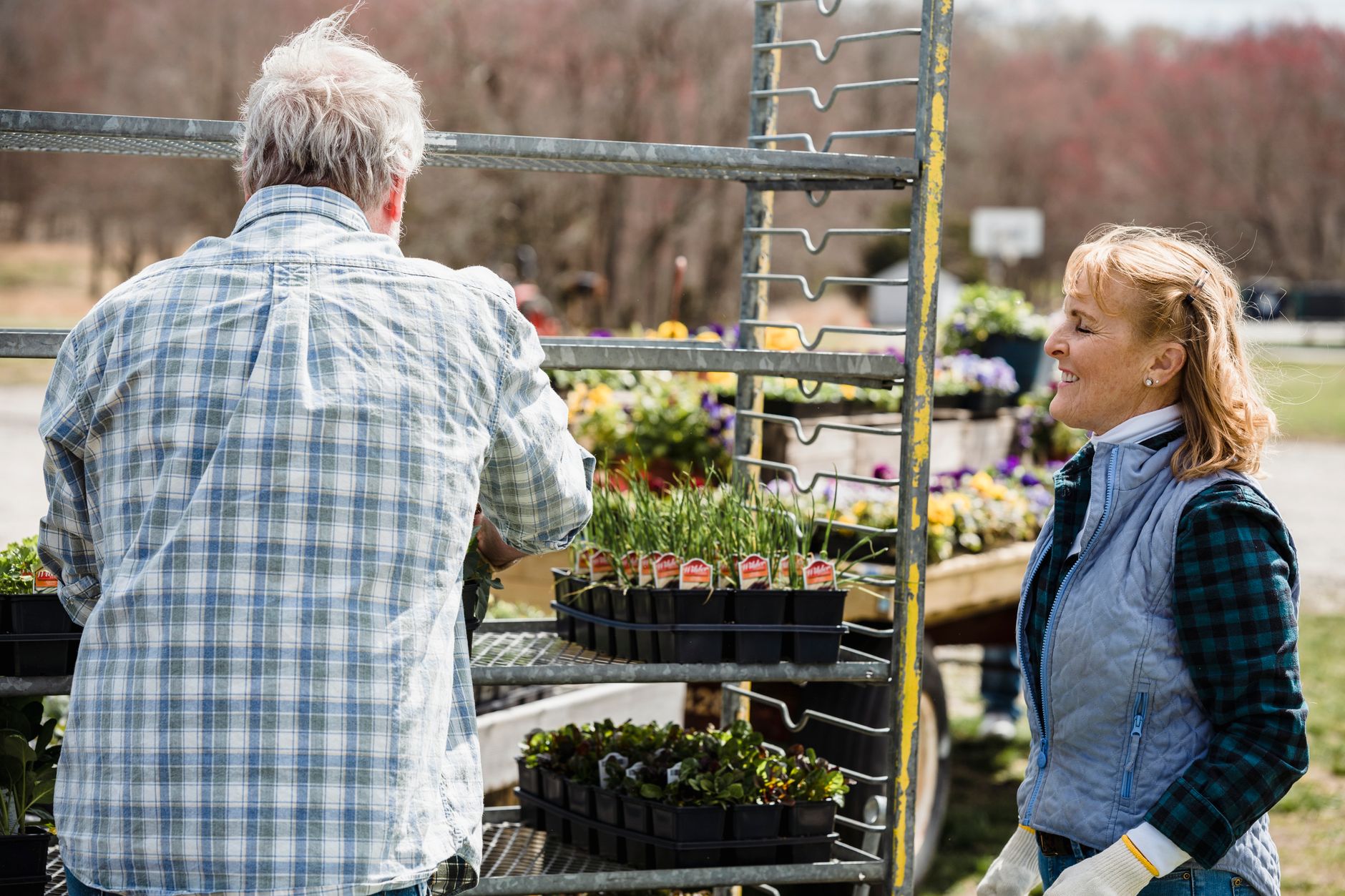
Learn how to use the Farmers' Almanac best planting days for 2026, with zone-specific dates, real varieties, and practical tips for gardeners and homesteaders.
The Farmers’ Almanac best planting days are based on lunar phases and astrological signs, and many gardeners swear by them. While science doesn’t back the moon’s effect on seed germination, following these dates can help you plan and stay organized. This guide explains how to read the almanac’s planting calendar, gives you specific 2026 dates for common crops, and offers practical tips to get the most out of your garden.
How the Farmers’ Almanac Determines Best Planting Days
The Farmers’ Almanac (not to be confused with The Old Farmer’s Almanac) uses a combination of lunar phases and the zodiac’s astrological signs. The basic idea is that the moon’s gravitational pull affects moisture in the soil, just as it affects tides. When the moon is waxing (increasing), it’s thought to be a good time for above-ground crops. When it’s waning (decreasing), it’s better for root crops and bulbs. The almanac also considers which zodiac sign the moon is in, with signs like Cancer, Scorpio, and Pisces considered “fertile” and good for planting.
In 2026, the almanac provides a detailed planting calendar with specific dates for each crop. For example, in the Northeast, the best days to plant tomatoes are around May 15-16 and May 25-26. For the Midwest, those dat
 es shift to late May and early June. The almanac’s website and print edition list these dates by region and crop.
Using the Almanac for Your Zone
Your USDA hardiness zone is the first thing to check. The almanac’s dates are general, but you need to adjust for your local frost dates. For example, if you live in Zone 5 (like much of the Midwest), your last frost is typically around May 15. In Zone 7 (like the mid-Atlantic), it’s around April 15. The almanac’s planting days are often given as a range, so you can match them to your zone’s safe planting window.
Here’s a quick reference for 2026 best planting days for common crops, based on the almanac’s general guidance. These are examples; always check your local extension service for frost dates.
| Crop | Zone 5 (last frost May 15) | Zone 7 (last frost April 15) |
|---|---|---|
| Tomatoes | May 15-16, May 25-26 | April 20-21, May 1-2 |
| Peppers | May 15-16, June 1-2 | April 25-26, May 10-11 |
| Corn | May 10-11, May 20-21 | April 25-26, May 5-6 |
| Carrots | April 10-11, April 20-21 | March 25-26, April 5-6 |
| Potatoes | April 15-16, April 25-26 | March 20-21, April 1-2 |
These dates are from the 2026 Farmers’ Almanac and are approximate. The almanac also lists “best days” for transplanting, pruning, and harvesting, which you can use to plan your whole season.
Practical Steps to Use the Almanac This Week
- Get the 2026 Farmers’ Almanac: You can buy the print edition for about $8 to $10 at bookstores or online, or access the planting calendar on their website for free. The website has a searchable database by zip code.
- Find your zone: Use the USDA zone map online. Enter your zip code to get your zone.
- Mark your frost dates: Look up your average last spring frost date. Your local extension office or the almanac’s website can help.
- Match the almanac dates to your zone: For each crop, find the almanac’s recommended planting days that fall after your last frost. For example, if you’re in Zone 5 and the almanac says plant tomatoes on May 15-16, that’s safe.
- Plan your garden layout: Use the almanac’s dates to create a planting schedule. Write it on a calendar or use a garden planner app.
- Prepare your soil: Regardless of the moon, your soil needs to be workable. Test your soil pH and add compost if needed. A simple soil test kit costs $15 to $30.
Real Varieties and Tools for 2026
When you plant on your chosen days, use varieties that perform well in your area. For tomatoes, ‘Early Girl’ (60 days) and ‘Celebrity’ (70 days) are reliable in most zones. For peppers, ‘California Wonder’ (75 days) and ‘Jalapeño’ (70 days) are good choices. For corn, ‘Golden Bantam’ (80 days) and ‘Peaches and Cream’ (75 days) are heirloom favorites.
Tools you’ll need: a garden trowel ($10 to $20), a soil thermometer ($15 to $25), and a watering can or drip irrigation. If you’re starting seeds indoors, a seed-starting tray with a humidity dome costs $20 to $40.
Common Mistakes to Avoid
- Planting too early: The almanac’s dates are not a guarantee. If the soil is still cold and wet, wait. Use a soil thermometer to check that the soil is at least 60°F for warm-season crops.
- Ignoring your microclimate: Your yard might have warm spots near a south-facing wall or cold spots in a low area. Adjust accordingly.
- Forgetting to harden off seedlings: If you start seeds indoors, gradually expose them to outdoor conditions over a week before transplanting. This prevents shock.
FAQ
Q: Does the Farmers’ Almanac really work? A: There’s no scientific evidence that lunar phases affect plant growth, but many gardeners find it a useful planning tool. The key is to combine it with good practices like proper soil prep and frost dates.
Q: What’s the difference between the Farmers’ Almanac and The Old Farmer’s Almanac? A: They are two different publications. The Farmers’ Almanac, founded in 1818, uses a secret formula. The Old Farmer’s Almanac, founded in 1792, uses a different method. Both provide planting calendars, but dates may differ.
Q: Can I use the almanac for container gardening? A: Yes, the planting dates apply to containers as well. Just make sure your containers have good drainage and use quality potting mix.
Q: How do I find the best planting days for my specific location? A: The Farmers’ Almanac website has a “Planting Calendar” tool where you enter your zip code. It gives you a customized list of best days for your area.
The Bottom Line
The Farmers’ Almanac best planting days are a fun and traditional way to plan your garden. While they’re not a scientific guarantee, they encourage you to be organized and mindful of timing. Use them as a guide, but always prioritize soil conditions and weather. Start by getting the 2026 almanac, find your zone, and mark your planting days. Then, when the day comes, get your hands in the dirt and enjoy the process. Happy planting!