Best corn maze
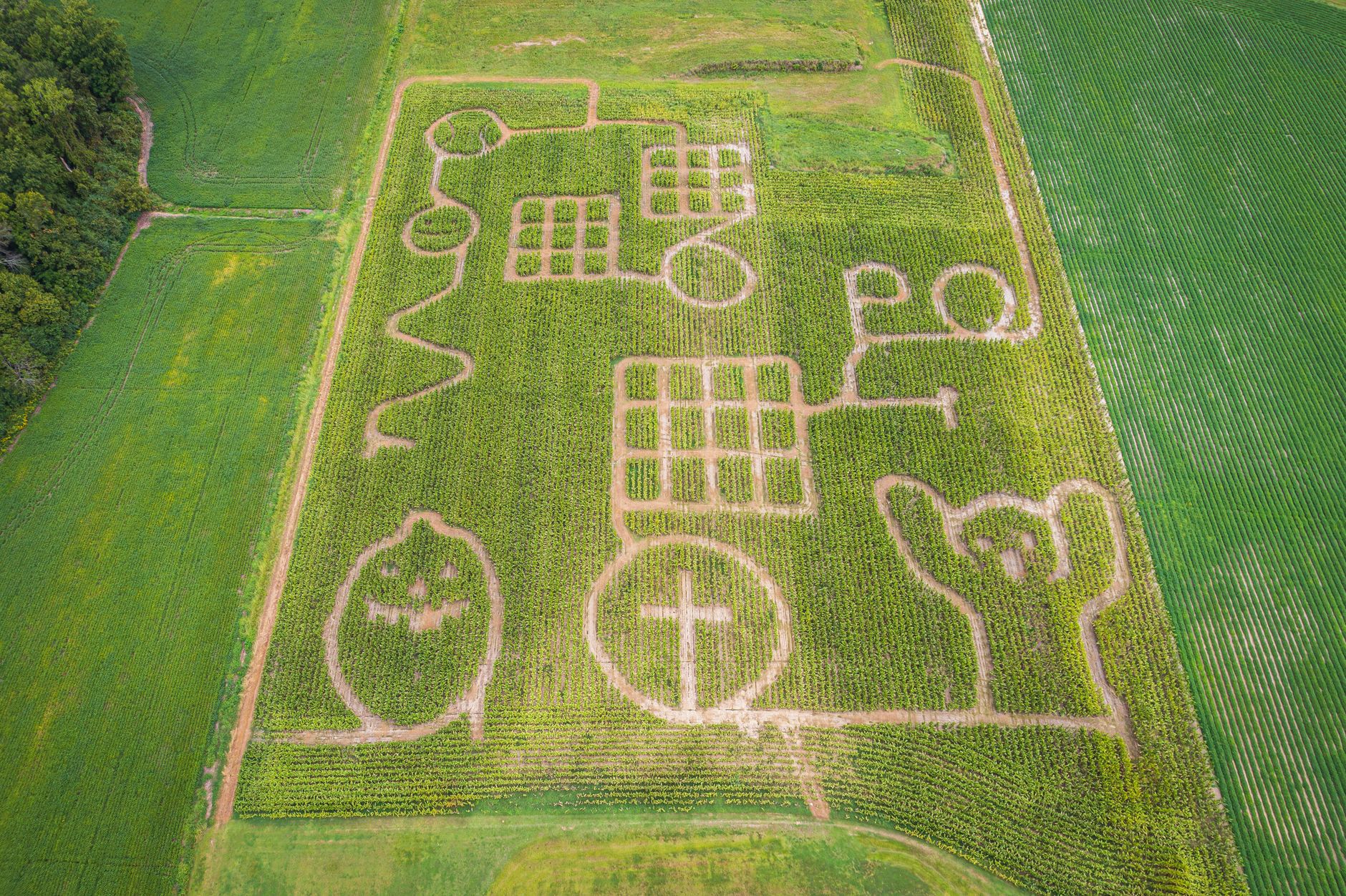
Find the best corn maze for your farm or homestead: design, varieties, costs, and marketing tips for a profitable 2026 season.
The best corn maze for your farm is the one that fits your land, budget, and crowd. Start with a simple design in year one, use a proven field corn variety, and charge $12 to $18 per adult. This guide covers the planning, planting, cutting, and marketing steps you need to open a maze that pays for itself.
Choosing the Right Corn Variety
Field corn, not sweet corn, is the backbone of a maze. It grows tall (8 to 10 feet), stands up to foot traffic, and holds its structure through October. Sweet corn is shorter and flimsier; skip it.
Best varieties for mazes:
- Pioneer P1197: A classic field corn, 8 to 9 feet tall, strong stalks, reliable in most zones.
- Dekalb DKC57-79: Similar height, good drought tolerance, works well in the Midwest.
- Blue River 2A401: A bit shorter (7 to 8 feet) but very sturdy, good for windy sites.
Planting dates vary by zone. The goal is to have corn at full height by late September, when most mazes open.
| USDA Zone | Plant by | Expected height by Oct 1 |
|---|---|---|
| 3-4 | May 15-25 | 8-9 feet |
| 5-6 | May 1-15 | 8-10 feet |
| 7-8 | April 15-30 | 9-10 feet |
Plant in 30-inch rows, with seeds spaced 6 to 8 inches apart. This gives about 28,000 to 32,000 plants per acre, dense enou
 gh for a maze but not so thick that cutting paths is a nightmare.
Designing Your Maze
Start small. A 2-acre maze is plenty for a first year. You can always expand later. The design is the fun part, but it is also where most beginners mess up.
Use a design software like Corn Maze Magic (around $200 for a single season license) or Adobe Illustrator if you are comfortable with vector graphics. These tools let you draw paths and then generate a cutting map.
Keep these rules in mind:
- Path width: 3 feet minimum for one-way traffic, 4 to 5 feet for two-way. Narrower paths get clogged and corn stalks get knocked down.
- Dead ends: Limit them. A maze with too many dead ends frustrates visitors and slows throughput. Aim for 2 to 3 decision points per 100 feet of path.
- Exit points: Always have at least two emergency exits, clearly marked, in case someone needs out fast.
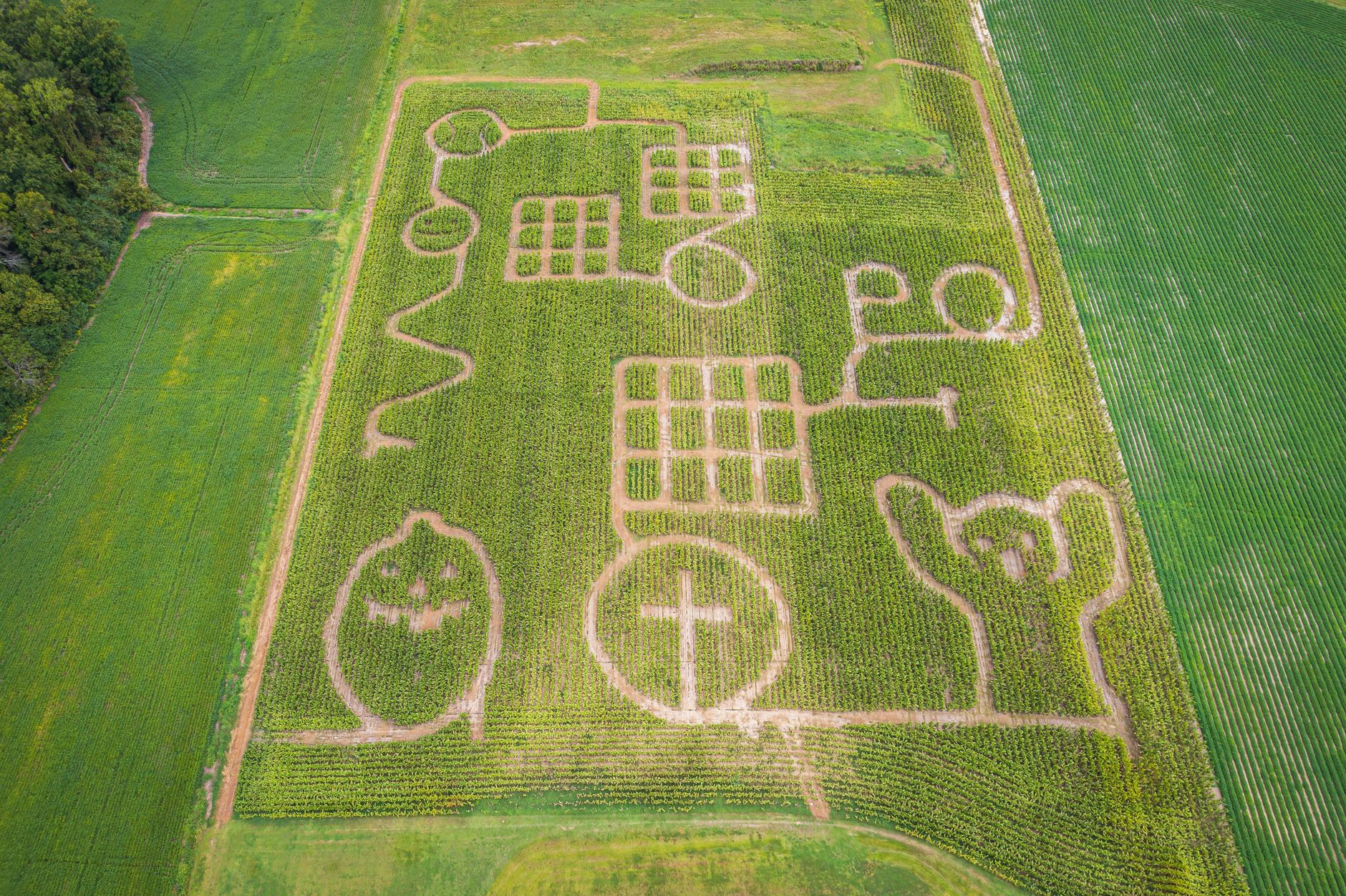
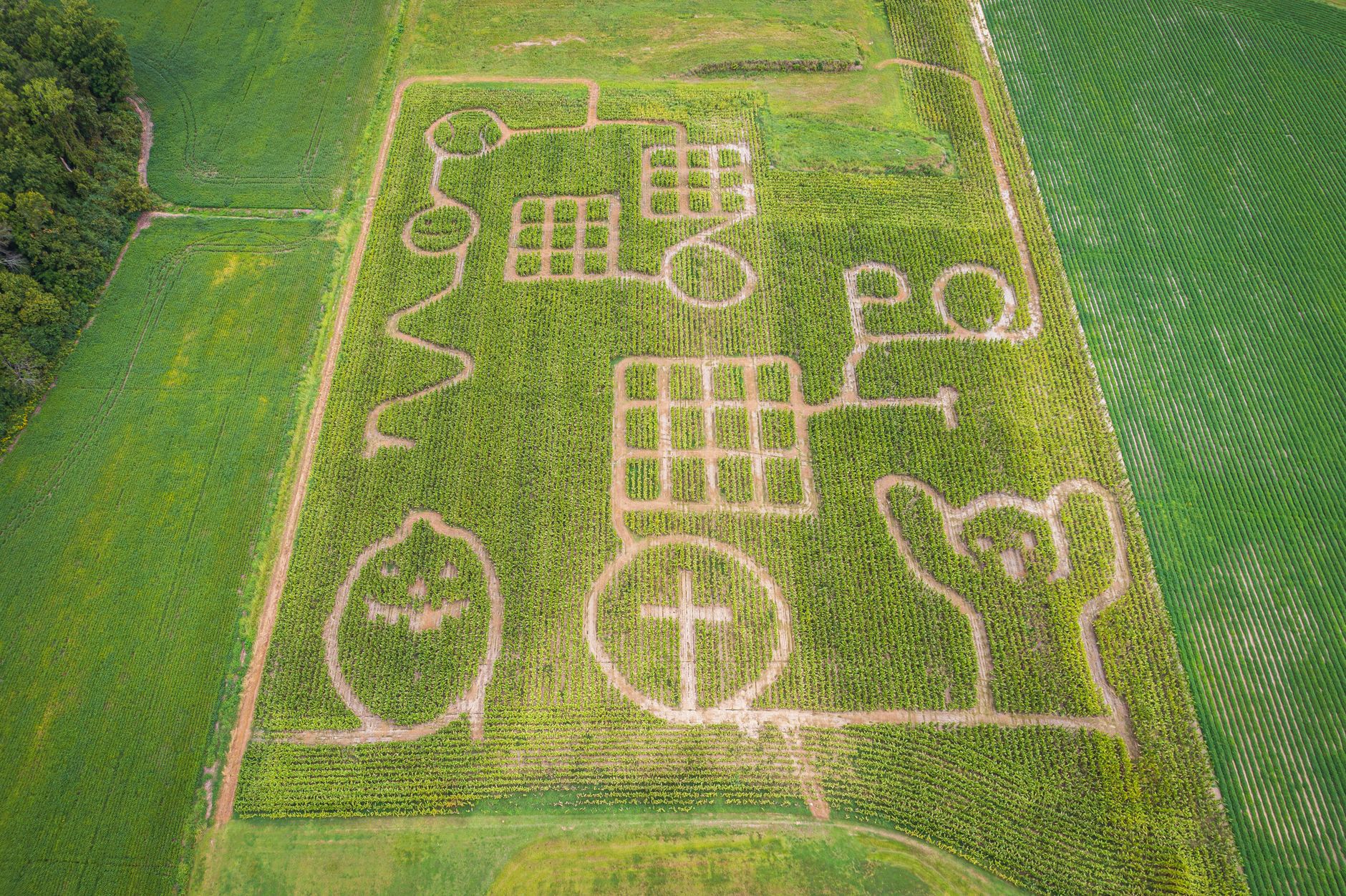
For a first maze, a simple pumpkin shape or a star with a few loops is enough. You can add a theme later, like a local landmark or a farm animal.
Cutting the Paths
You have two options: cut by hand or use a tractor. Hand cutting with a string trimmer or a sickle bar mower works for a small maze (under 1 acre), but it is slow. A 2-acre maze will take 40 to 60 hours by hand.
A better option for most farms is a walk-behind brush cutter (like a DR Field and Brush Mower, $1,500 to $2,500) or a tractor-mounted rotary cutter if you already own a tractor. You can also hire a local farmer with a GPS-guided tractor to cut the maze for you, which costs $300 to $500 per acre.
Steps to cut:
- Wait until the corn is at least 4 feet tall, usually mid-July. Cutting too early lets weeds take over the paths.
- Mark the design on the field using flags or stakes, following your cutting map.
- Cut the paths, then go back and widen any tight turns.
- After cutting, walk the entire maze to check for missed spots and clear any fallen stalks.
Pricing and Revenue
In 2026, typical corn maze admission runs $12 to $18 for adults, $8 to $12 for kids under 12, and free for toddlers under 3. Many farms bundle the maze with a pumpkin patch or hayride for $20 to $30 per person.
A 2-acre maze can handle 200 to 300 visitors per day on a busy weekend. At an average ticket price of $14, that is $2,800 to $4,200 per weekend day. Over a 6-week season (late September through October), you could gross $30,000 to $60,000, depending on weather and marketing.
Costs to plan for:
- Seed corn: $150 to $250 per acre.
- Fertilizer and lime: $100 to $200 per acre.
- Design software: $200 one-time.
- Cutting labor or equipment: $500 to $1,500.
- Liability insurance: $1,000 to $3,000 per year, depending on your state and coverage.
Marketing Your Maze
You need people to know you exist. Start promoting 6 to 8 weeks before opening day.
- Website and social media: Post aerial photos of the maze design, a calendar of events, and ticket prices. Use Facebook and Instagram to reach local families.
- Local partnerships: Team up with schools for field trips (weekday mornings) and with churches or scout groups for evening events.
- Seasonal events: Add a flashlight night, a dog day, or a corn maze race to draw repeat visitors.
- Signage: Put a large sign on the nearest main road, visible from 500 feet. A 4x8 foot sign costs $200 to $400.
Safety and Maintenance
Corn mazes are fun, but they can be dangerous if you ignore basic safety.
- Clear paths: Keep paths free of debris, and trim any sharp stalk ends.
- Lighting: For evening hours, use solar path lights or glow sticks to mark turns and exits.
- Staffing: Have at least one staff member stationed at the entrance/exit at all times, and another patrolling the maze.
- Weather: Close the maze during lightning storms or high winds. Wet corn is slippery, so consider closing after heavy rain.
FAQ
How early should I plant the corn?
Plant according to your zone table above. The key is to have corn at full height by late September. If you plant too late, the corn may not reach 8 feet, and the maze will feel cramped.
Can I use sweet corn instead of field corn?
Technically yes, but sweet corn is shorter and weaker. It will not hold up to heavy traffic, and the stalks break easily. Field corn is the standard for a reason.
How long does it take to cut the maze?
For a 2-acre maze, expect 40 to 60 hours with a walk-behind cutter, or 4 to 6 hours with a tractor and a skilled operator. Add a day for cleanup and adjustments.
What if I do not have a tractor?
You can rent a walk-behind brush cutter for $100 to $200 per day, or hire a local farmer to cut for you. Many farmers are happy to do this for a fee, especially if you let them keep the corn after the season.
The Bottom Line
The best corn maze is a well-planned, safely built attraction that fits your farm’s size and budget. Start small, use field corn, cut clean paths, and market early. With realistic pricing and a solid design, a 2-acre maze can bring in $30,000 or more in a single fall season. That is a solid return for a few months of work, and it brings the community to your farm in a way few other crops can.